Landscape & Virtual Reality
How will future climate solutions actually look on your island?
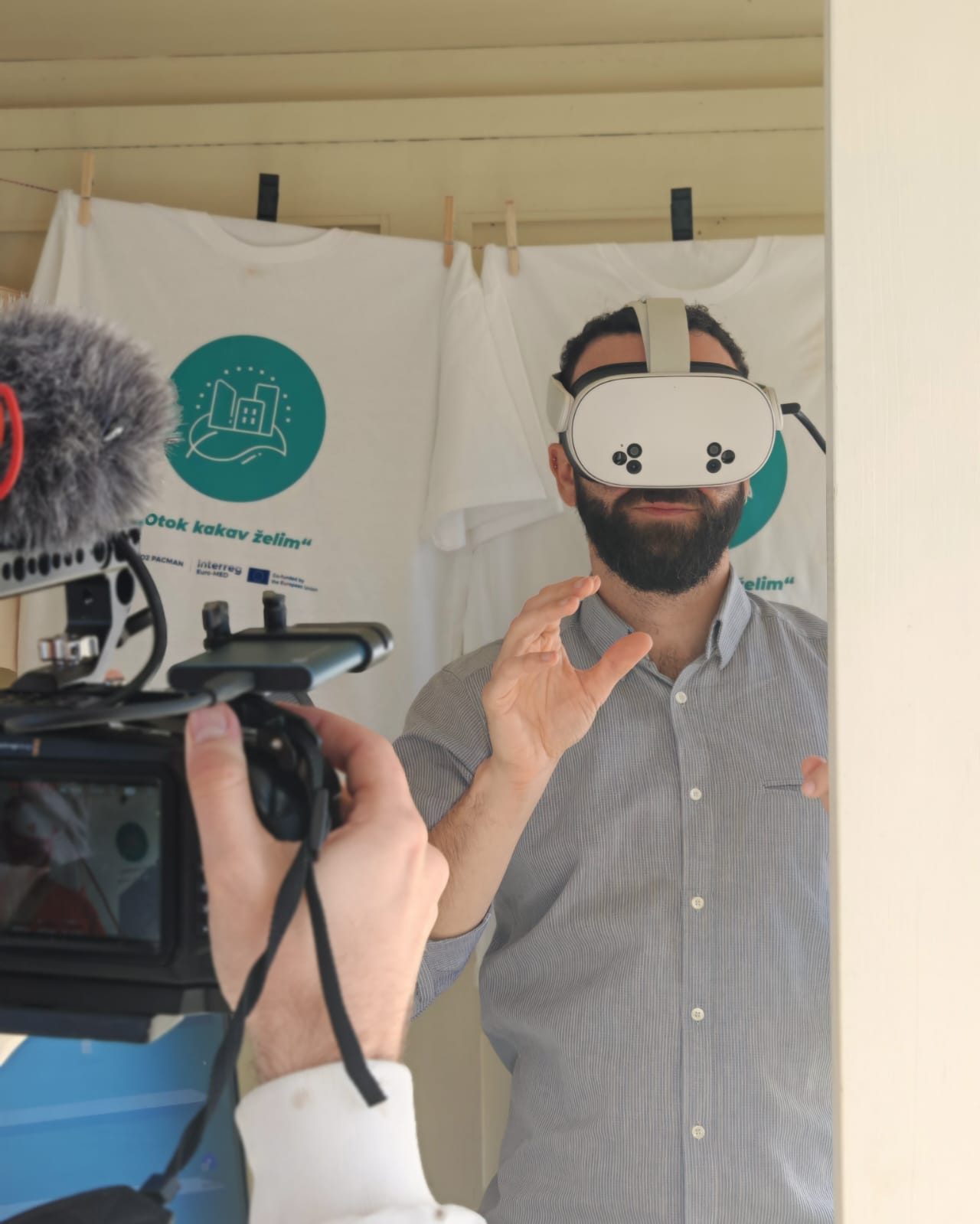
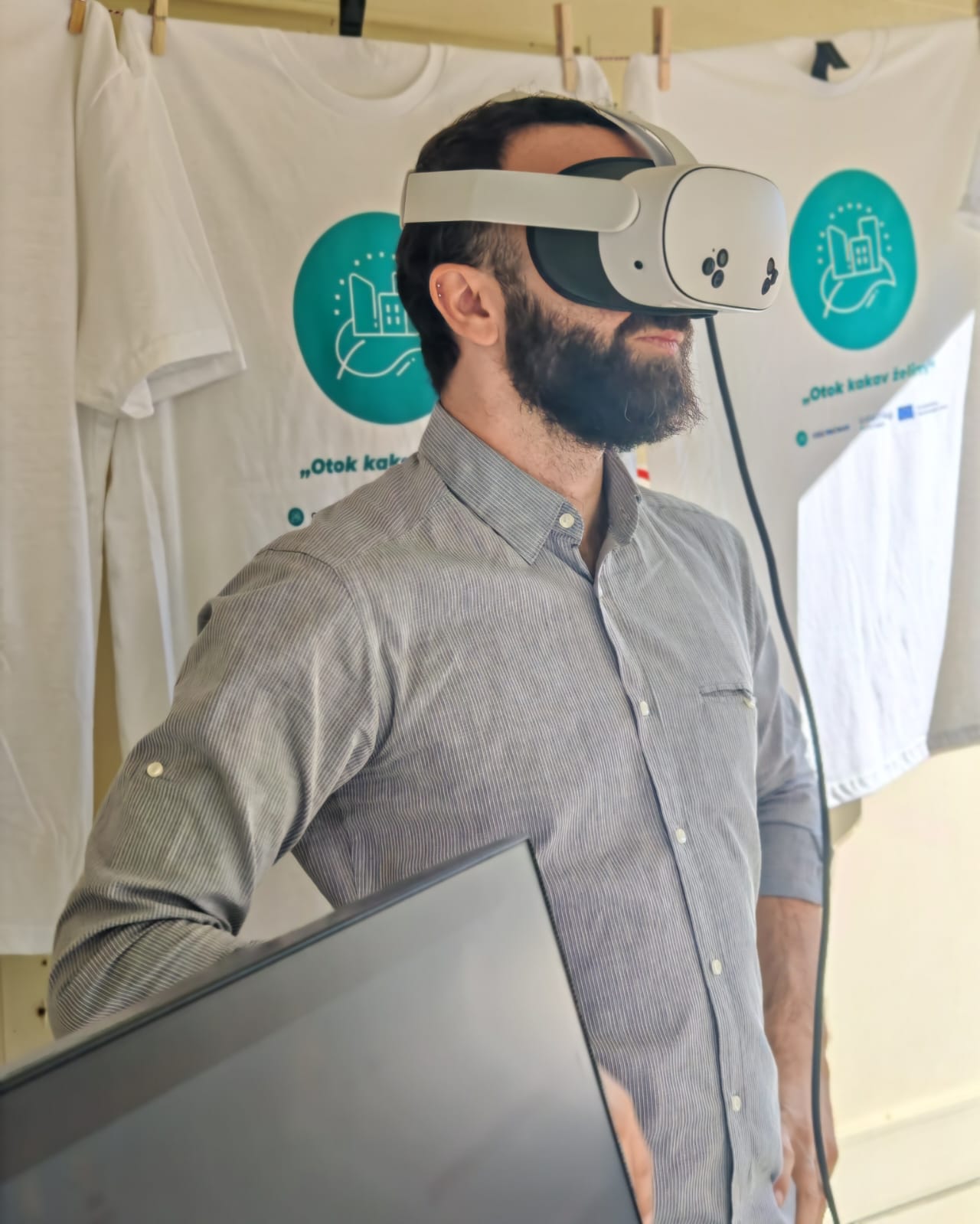
CO2 PACMAN combines landscape analysis with immersive virtual reality (VR) to make climate transition more tangible and easy to explore. Beyond technical performance, proposed interventions, such as renewable energy systems, mobility infrastructures, or nature-based solutions are assessed in relation to their spatial, cultural, and visual impact on island territories.
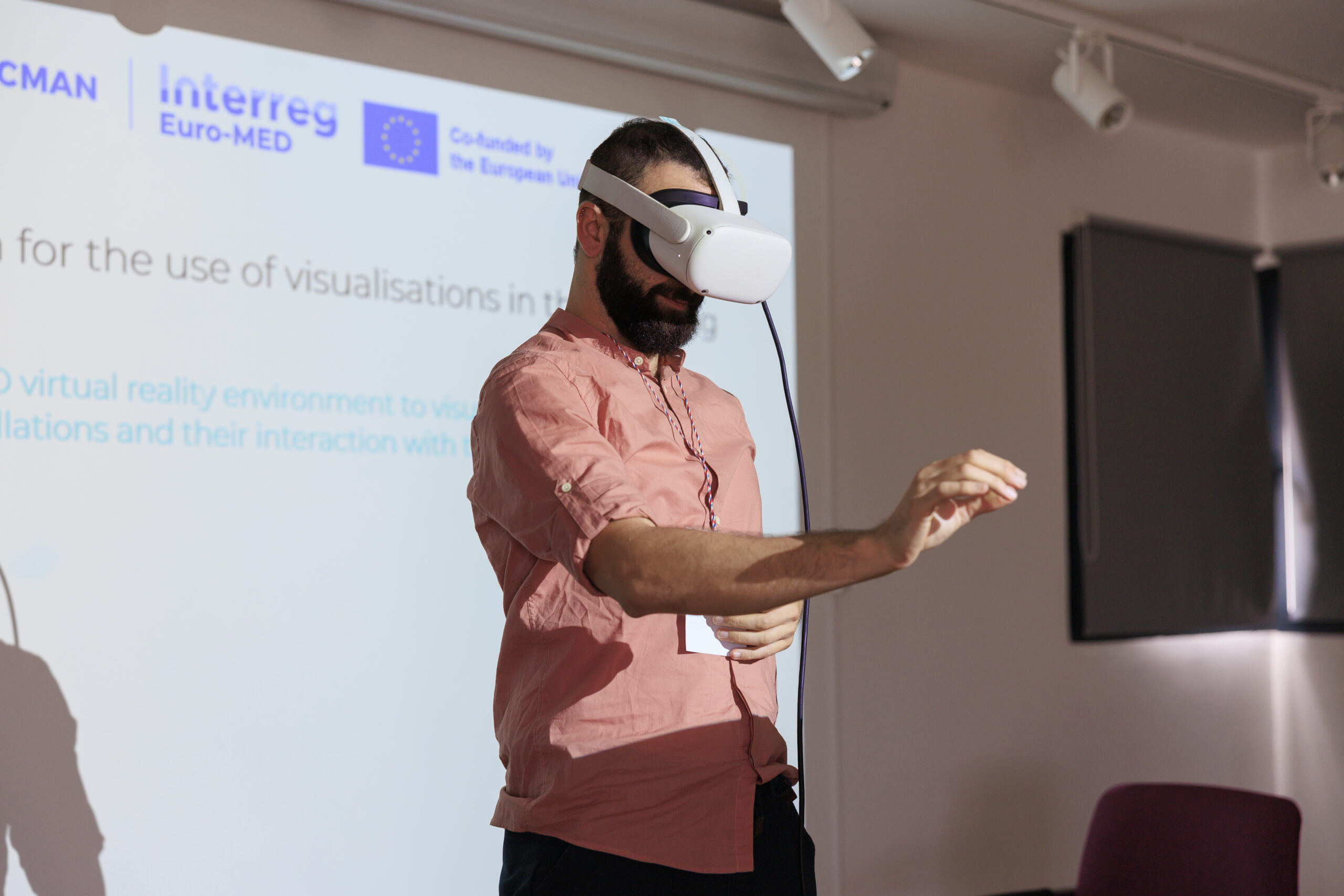
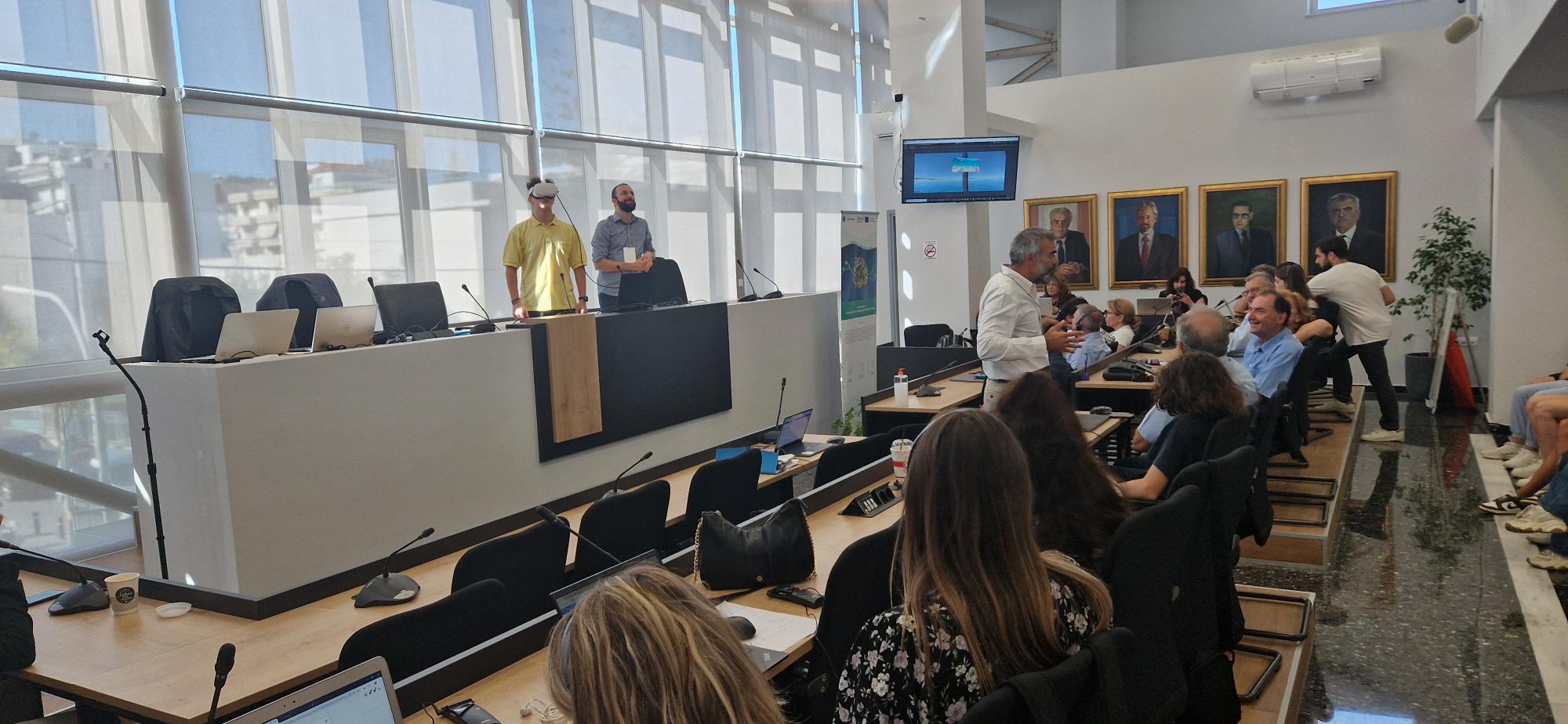
Through advanced 3D modelling and virtual simulations, stakeholders, public authorities and citizens can step into a digital version of their island and experience possible futures in a realistic way. Different scenarios can be explored, compared, and discussed, helping to clarify the long-term implications of each choice.
By combining scientific assessment with spatial planning and interactive visualisation, CO2 PACMAN enhances transparency, supports participatory dialogue among actors and enables more informed and shared decisions on climate neutrality pathways.
THE CO2 PACMAN MINI GAME
About the Platform
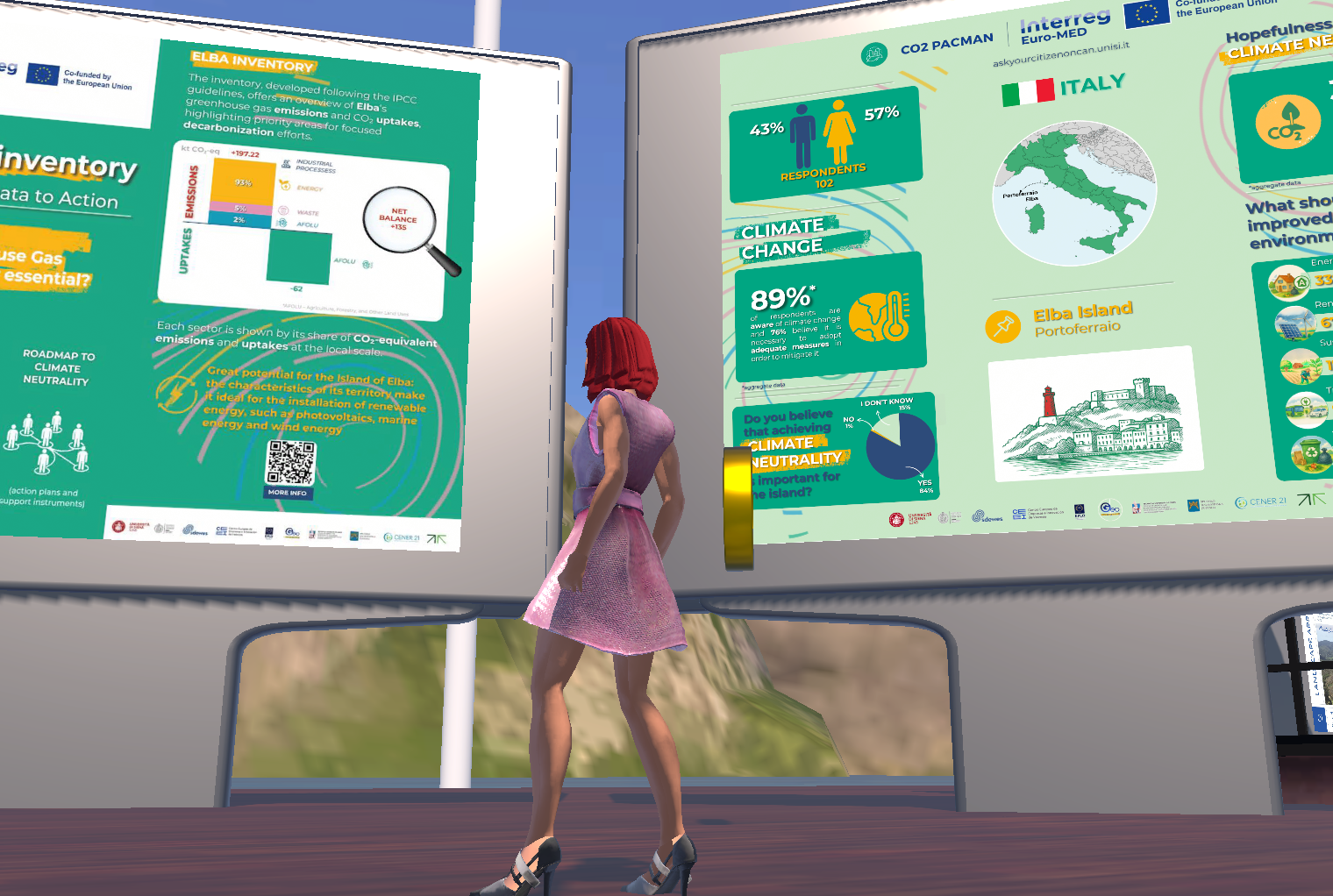
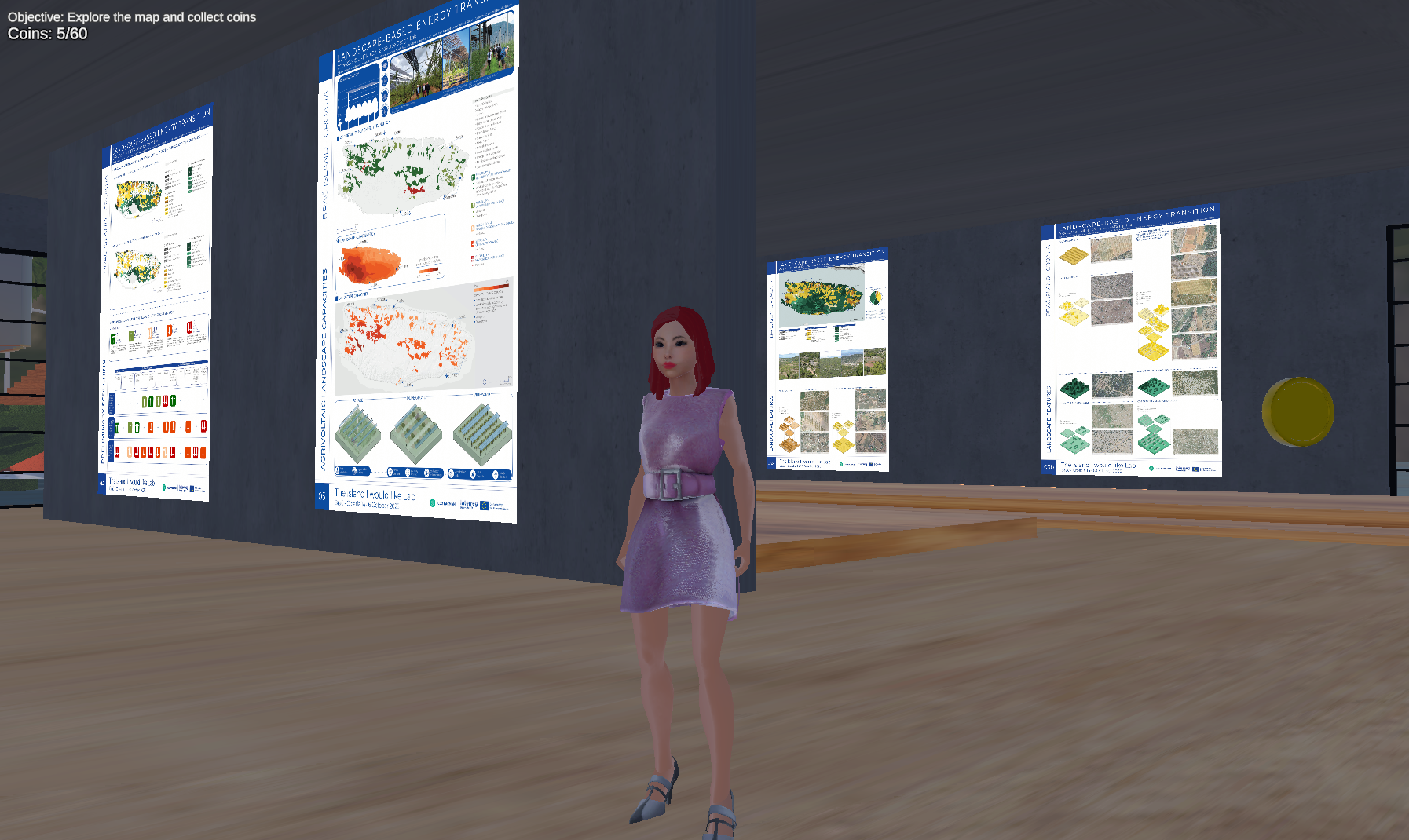
The Interactive Educational Game Environment represents an immersive and participatory digital learning platform designed to enhance engagement with educational and exhibition content through exploration, interaction, and gamification. The platform enables participants to navigate a three-dimensional environment, access educational materials, interact with exhibition spaces and complete quizzes. Rather than relying exclusively on conventional documents, presentations, or static displays, the game transforms educational content into an interactive journey where learning is achieved through discovery, movement, and active participation within a virtual landscape.
How It Works
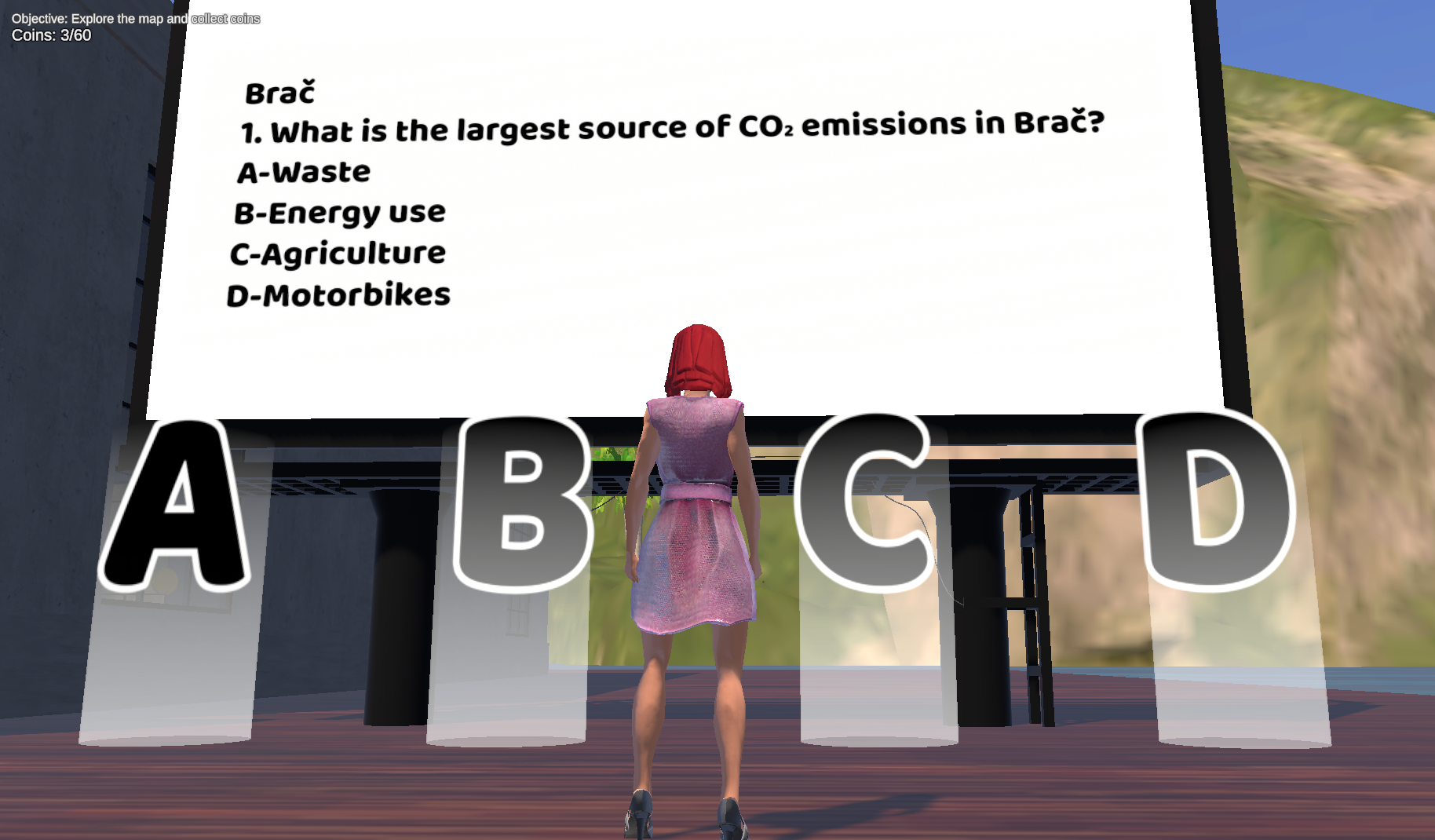
Participants begin their journey on a central island that functions as a shared hub, from which they can access tutorial materials, collect rewards, and travel through portals to three themed island environments. Each island incorporates educational posters, banners, voice-over explanations, and quiz-based progression systems, allowing users to explore content at their own pace while following structured learning pathways. By combining educational resources with interactive mechanics, the platform encourages users to engage more deeply with the presented information and supports a more intuitive understanding of complex topics.
Accessibility and Participation
Particular attention was given to accessibility, usability, and multi-platform participation. Through deployment on the Spatial platform, the experience is accessible via web browsers, desktop computers, mobile devices, augmented reality (AR), and virtual reality (VR) systems. The platform has been designed to support future educational and dissemination activities, including its use within the European Academy as an interactive learning and engagement tool for participants.
Gamification and Engagement
Additional gamification elements, including collectible coins, staged exploration areas, animated content, and achievement-based rewards, further encourage participation and motivate users to discover all sections of the virtual world. In this way, the platform successfully combines educational content, social interaction, and immersive technologies into a cohesive and engaging digital learning experience.