

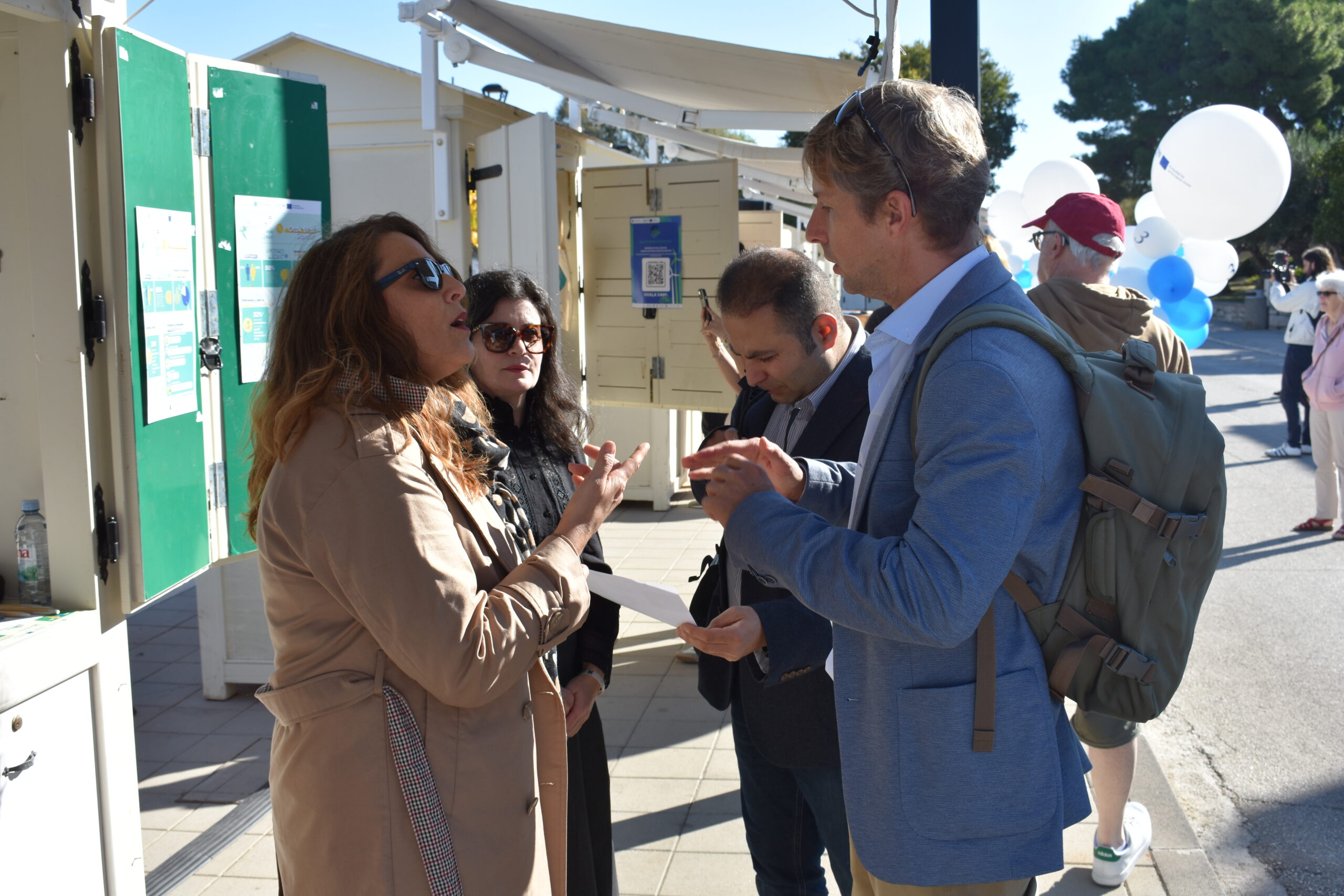
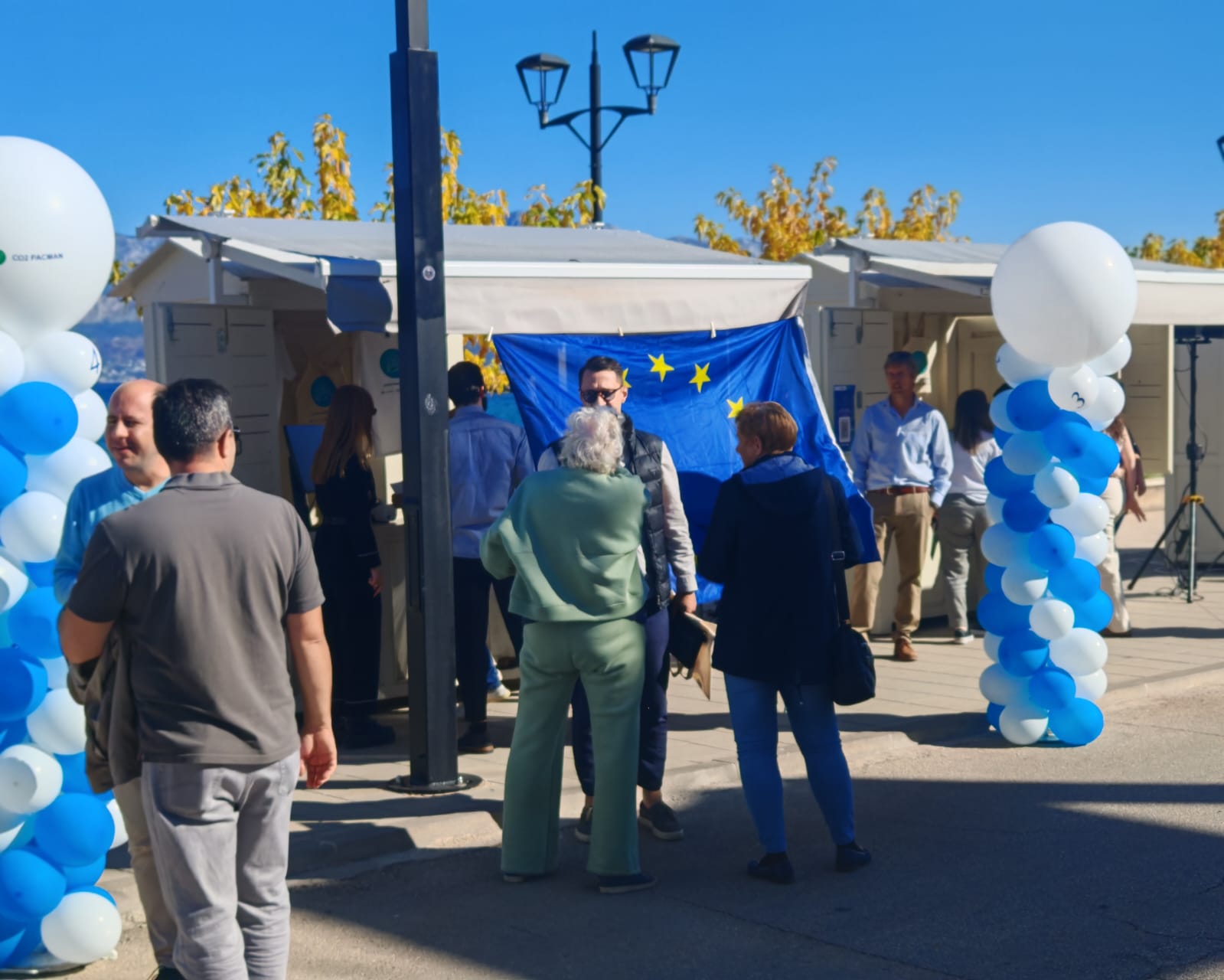
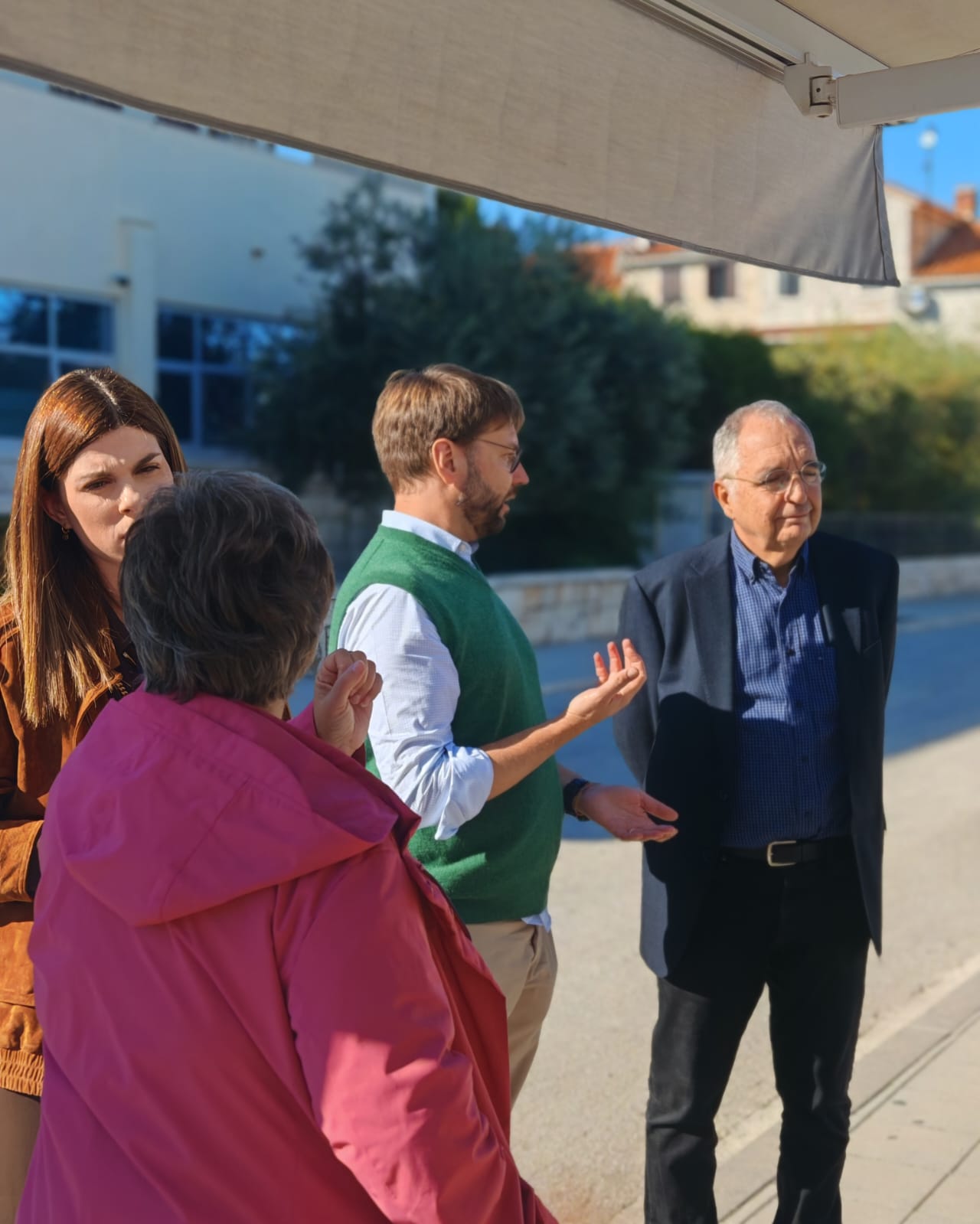
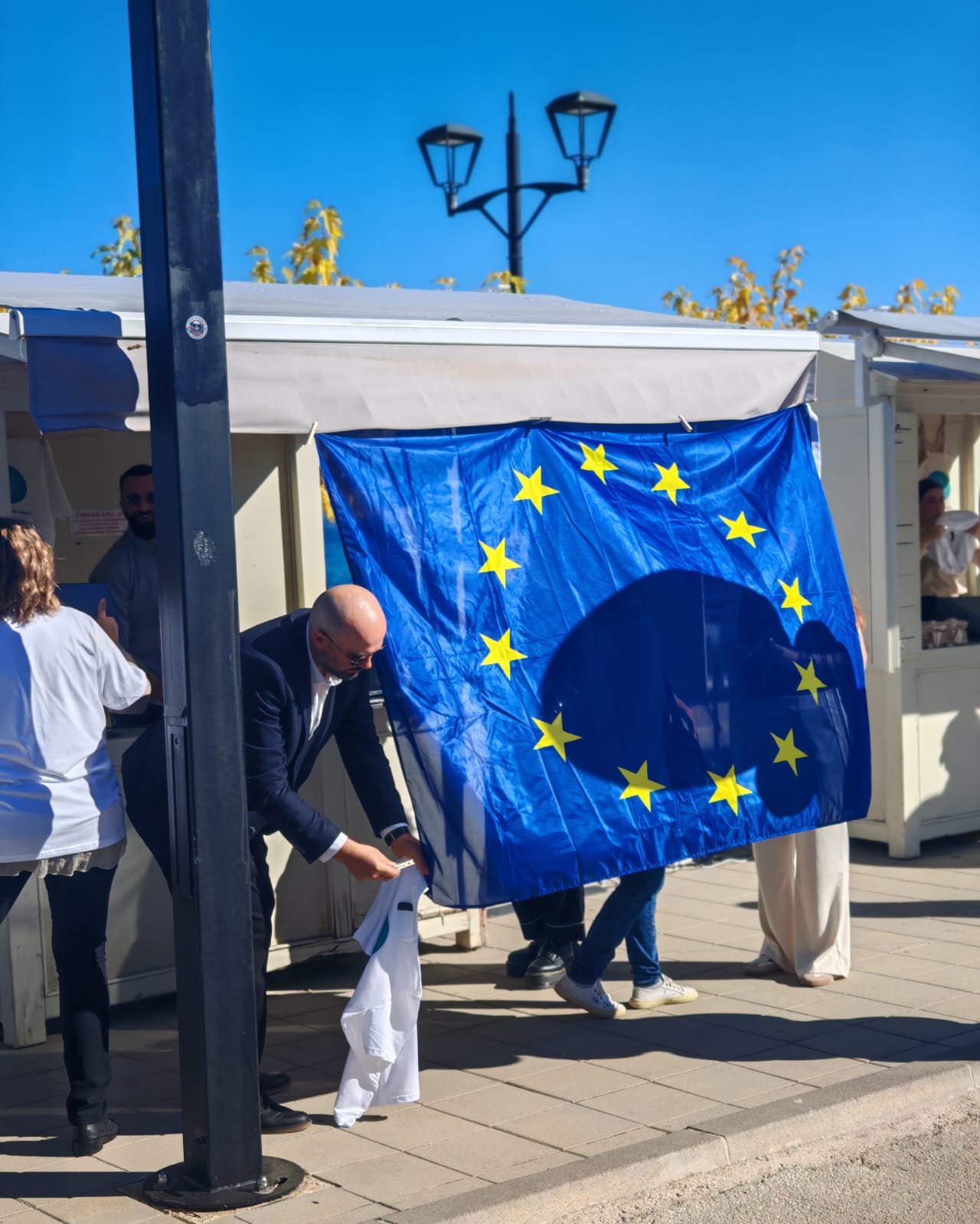
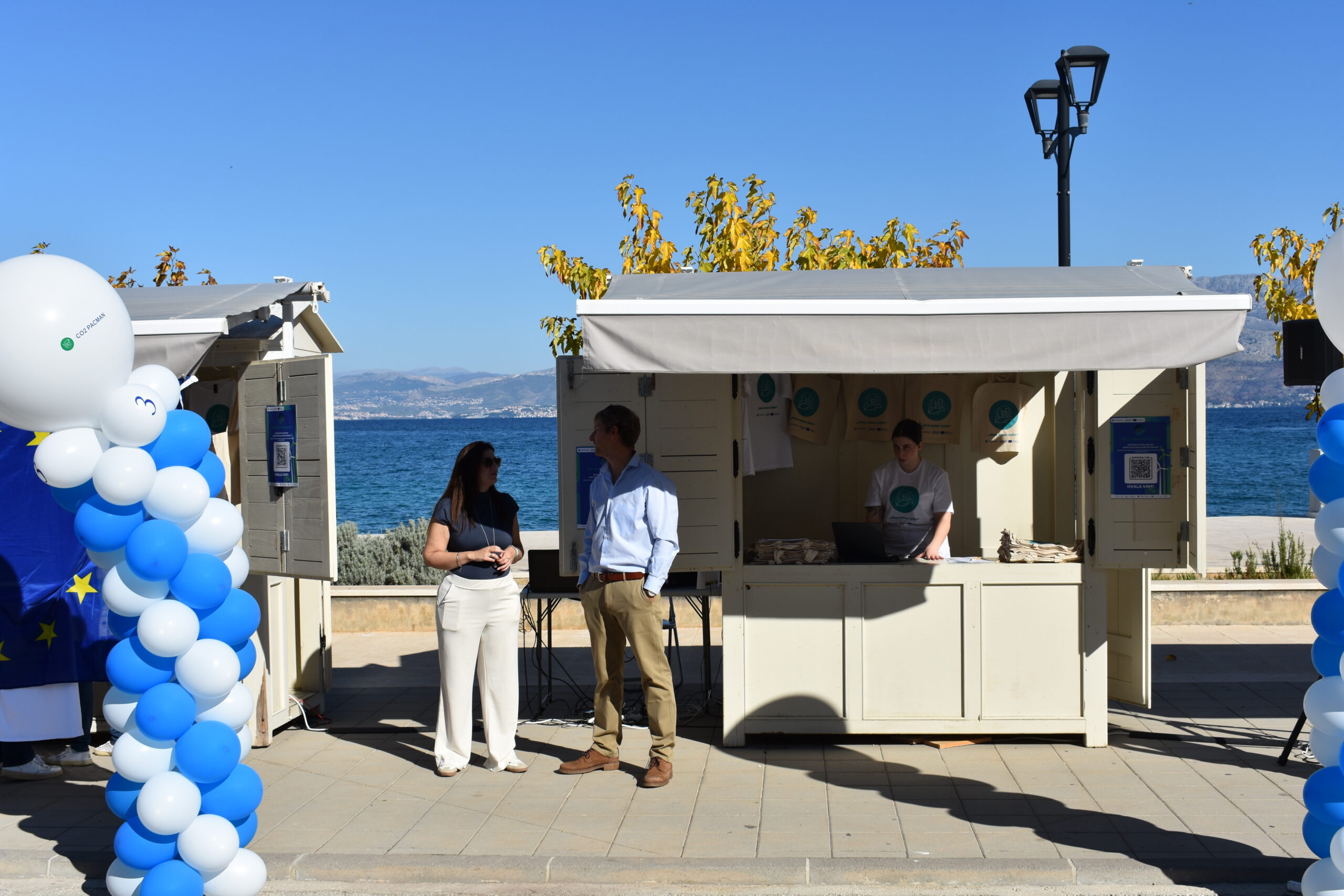
The CO2 PACMAN “Island I Would Like” Lab in Brač (October 14–16, 2025) focused on empowering citizens to adapt to climate change and reduce carbon dioxide emissions through collaboration, innovation, and education. Held in Supetar under the organization of the County, the three-day event gathered residents, youth, and local institutions to explore sustainable solutions for island living.
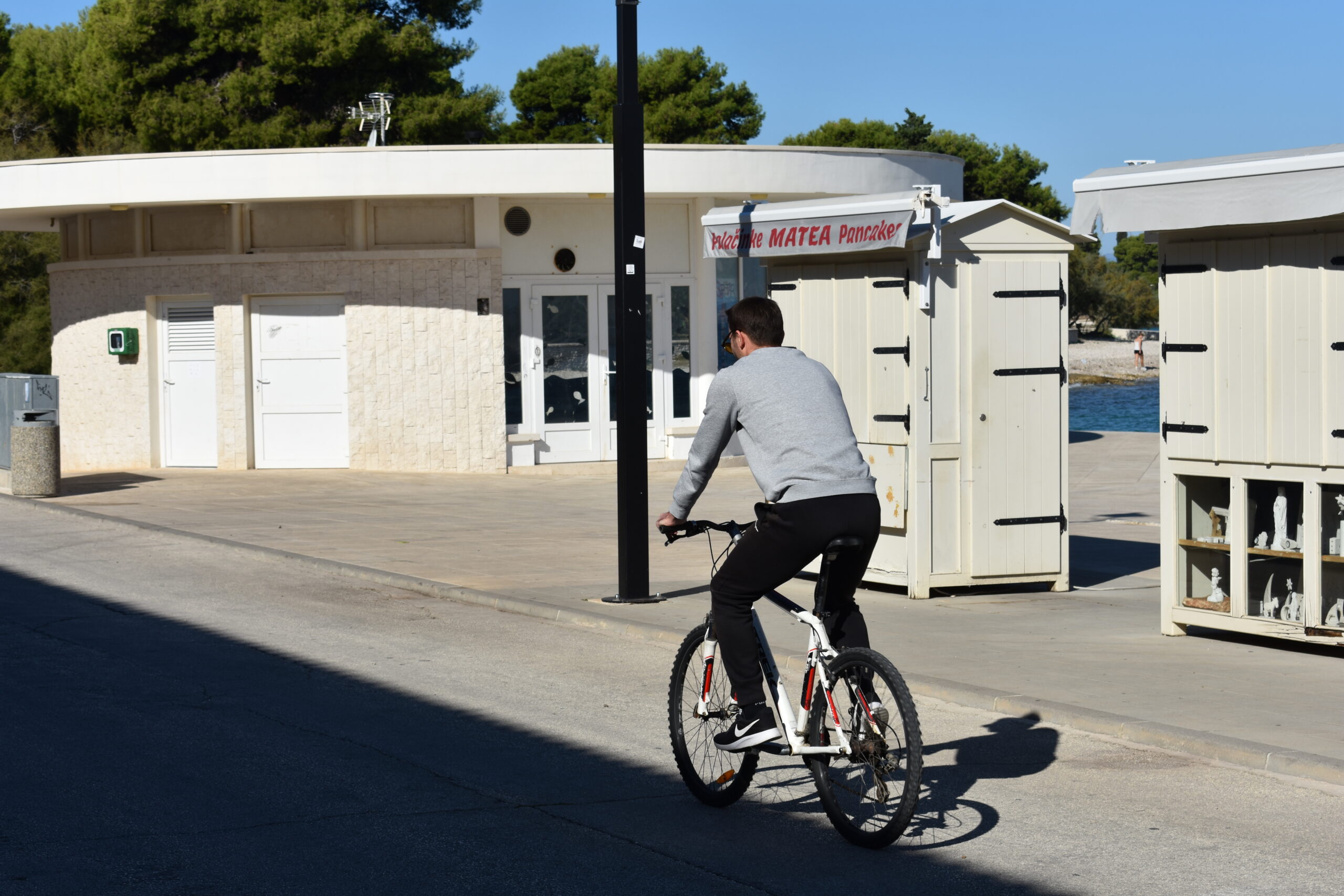
The Lab highlighted the importance of renewable energy, resource preservation, and the reduction of greenhouse gas emissions, while promoting active community involvement. Participants emphasized the need for improved waste management and modernized transport infrastructure, recognizing sustainable mobility as a key priority.
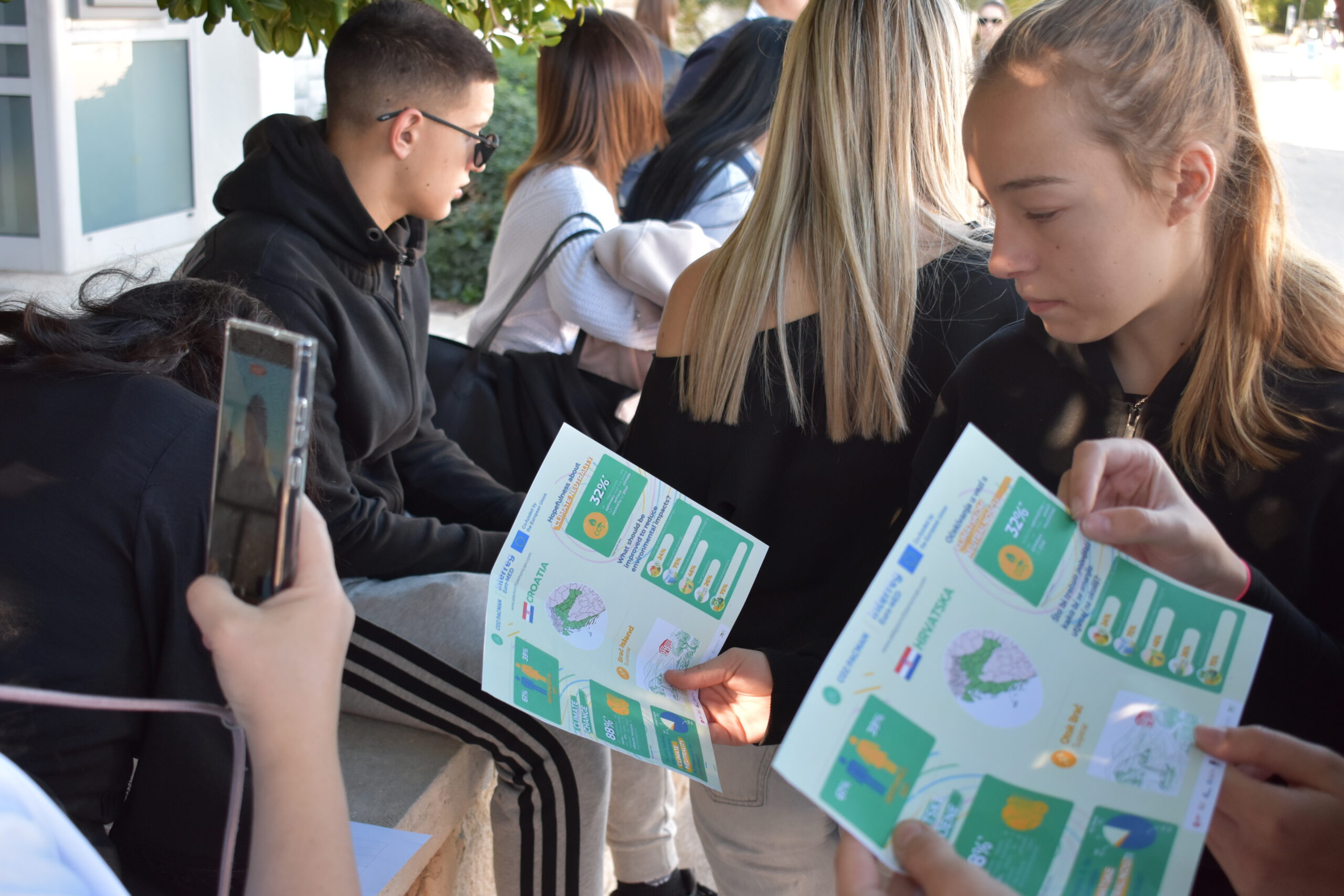
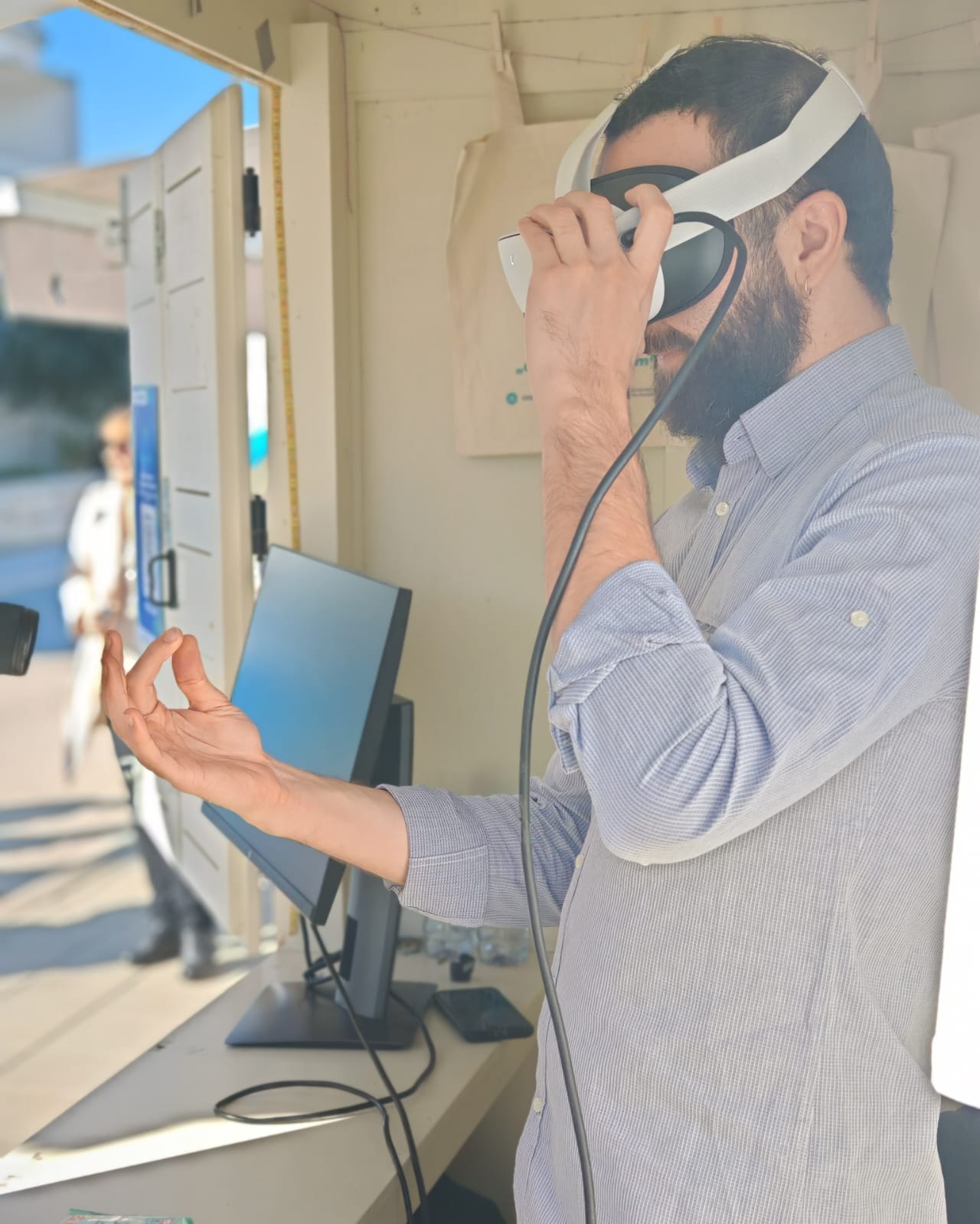
A notable feature was the engagement of high school students from Supetar and Bol, who used virtual reality (VR) to explore 3D models and propose creative solutions for the island’s development. Their enthusiasm and insight underscored the central role of youth in shaping a sustainable future.


Empowering Communities for a Sustainable Future
Through a series of workshops, presentations, and interactive sessions, participants explored renewable energy solutions, resource conservation, and strategies for reducing greenhouse gas emissions. Discussions also focused on waste management, sustainable mobility, and the modernization of transport infrastructure, which were identified as key priorities for island communities.
A dedicated session on Greenhouse Gas (GHG) emissions helped participants understand the main sources contributing to Brač’s carbon footprint and the practical measures that can support emission reduction at local level. Using the CO₂ PACMAN Tool, residents and students were able to visualize how different sectors such as transport, energy, waste, and land use, interact to shape the island’s climate impact.
“The enthusiasm of the citizens of Brač shows that change begins locally,” observed Professor Simone Bastianoni from the University of Siena, who opened the event. He added, “even small actions can have a major impact when communities and local authorities work hand in hand.”
Youth Innovation through Virtual Reality, Simulation, and Landscape Analysis
One of the most exciting elements of the Lab was the participation of high school students from Supetar and Bol, who used virtual reality technology to visualize and design greener versions of their island. Their creativity and insight highlighted the essential role of youth in shaping a climate-neutral future.
The students also took part in the CO₂ PACMAN simulation, an educational activity that allowed them to plan emission-reduction strategies and understand how everyday decisions impact the environment. Under expert guidance, teams developed their own visions for Brač’s sustainable transformation, from promoting solar energy to rethinking local transport and waste systems.
Landscape Scenarios Evaluation
As part of the VR experience, participants assessed three different landscape scenarios aimed at illustrating possible future pathways for Brač.
We are reporting 3 proposed;:
- Scenario 1: Average score 3.375
- Scenario 2: Average score 3.563
- Scenario 3: Average score 2.813
Scenario 3 emerged as the most positively evaluated, resonating strongly with participants in terms of realism, engagement, and perceived contribution to climate neutrality.
These results underline how citizens and youth envision a sustainable future when given interactive tools and intuitive visualizations.
Knowledge, Collaboration, and Inspiration
Experts from the University of Split contributed spatial analyses, identifying opportunities for reforestation, solar energy installations, and the reduction of light pollution. Local engineers and officials shared best practices and success stories, such as water-saving technologies and renewable energy initiatives.
Martin Bućan, Head of the County Department for Agriculture, Fisheries, Rural Development, and EU Funds, emphasized the crucial role of youth education in the project:
“We are particularly pleased to see the participation of secondary schools from Supetar and Bol, whose students are gaining valuable knowledge and experience through this project.”
His statement reinforces the importance of integrating educational institutions into climate planning, directly linking to the Landscape evaluation results and the broader learning process experienced during the Lab.
A Shared Vision for a Climate-Neutral Brač
Participants agreed that Brač’s example demonstrates how island communities can lead the transition to a greener Mediterranean.
The Lab concluded with a shared vision to make Brač a living laboratory of sustainability, where citizens, researchers, and youth co-create the island they would like to live in—one that thrives in harmony with nature.
