AskyourcitizenonCaN
 The new “AskyourcitizenonCaN” tool (ask your citizen on Carbon Neutral) was developed to enable citizens to be the main actors in the participatory process and contribute to identifying best opportunities for transition to a low-carbon economy infrastructures (e.g. wind
energy, PV, electric systems), propensity towards behavioural changes (e.g. sustainable mobility, low-carbon production/consumption), facilities coownership (e.g. energy communities).
In the framework of the CO2 PACMAN project, a survey on the perception and attitude towards transition of Mediterranean islands towards climate neutrality has been developed and targeted to the general public. The survey has been conducted in 3 pilot islands through a common questionnaire and interviews. The results obtained include climate change mitigation, attitudes and behaviours of citizens regarding CO2 neutrality. The active participation of citizens in energy transition is a crucial element for a proper climate neutrality planning. For this purpose, the investigation on social dimension has been considered in designing an appropriate framework involving concerned communities.
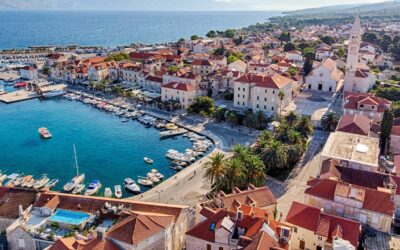
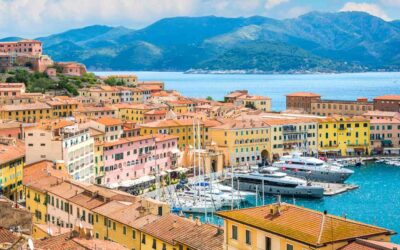
The survey was conducted in 3 islands of the Mediterranean basin through a questionnaire, distributed face-to-face to more than 549 interviews, prepared by the CO2 PACMAN Partners. The questionnaire consisted of 22 questions to ensure a high degree of comparability in the results. Interviews took place between February and June 2025 and the 3 islands involved were: Brac (Croatia), Crete (Greece) and Elba (Italy).
Read more here: https://askyourcitizenoncan.unisi.it/
Vox Populi
Vox Populi, a dynamic initiative designed to capture local perspectives on sustainability, climate action, and the future of Mediterranean islands. Through a series of public interviews conducted during the Rooting Labs, Vox Populi ensures that the voices of local communities are heard and integrated into the CO2 PACMAN project. By gathering real stories, concerns, and ideas from those most affected by climate challenges, this initiative helps bridge the gap between policy and lived experience, fostering collaborative solutions for a greener, more sustainable future.