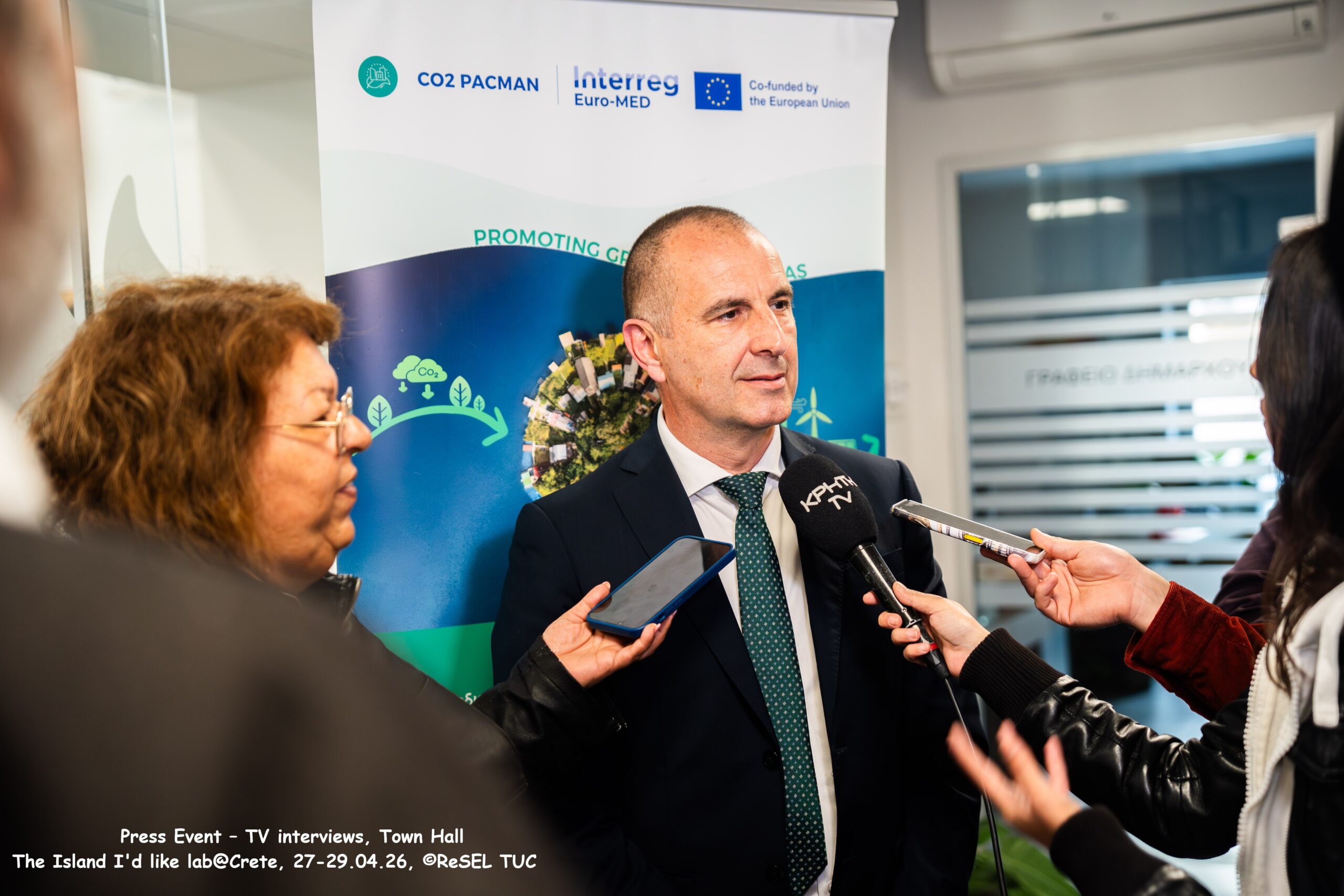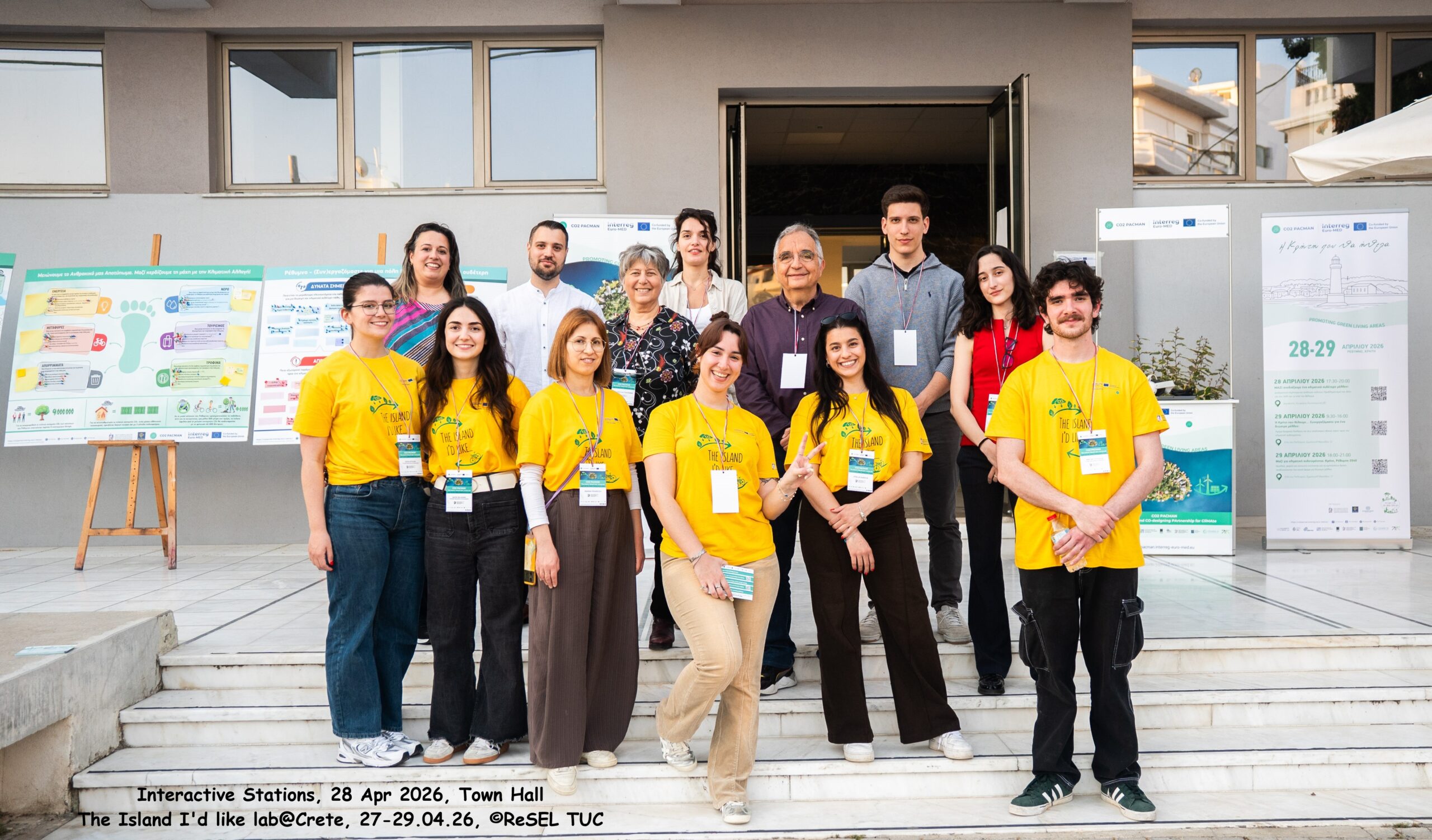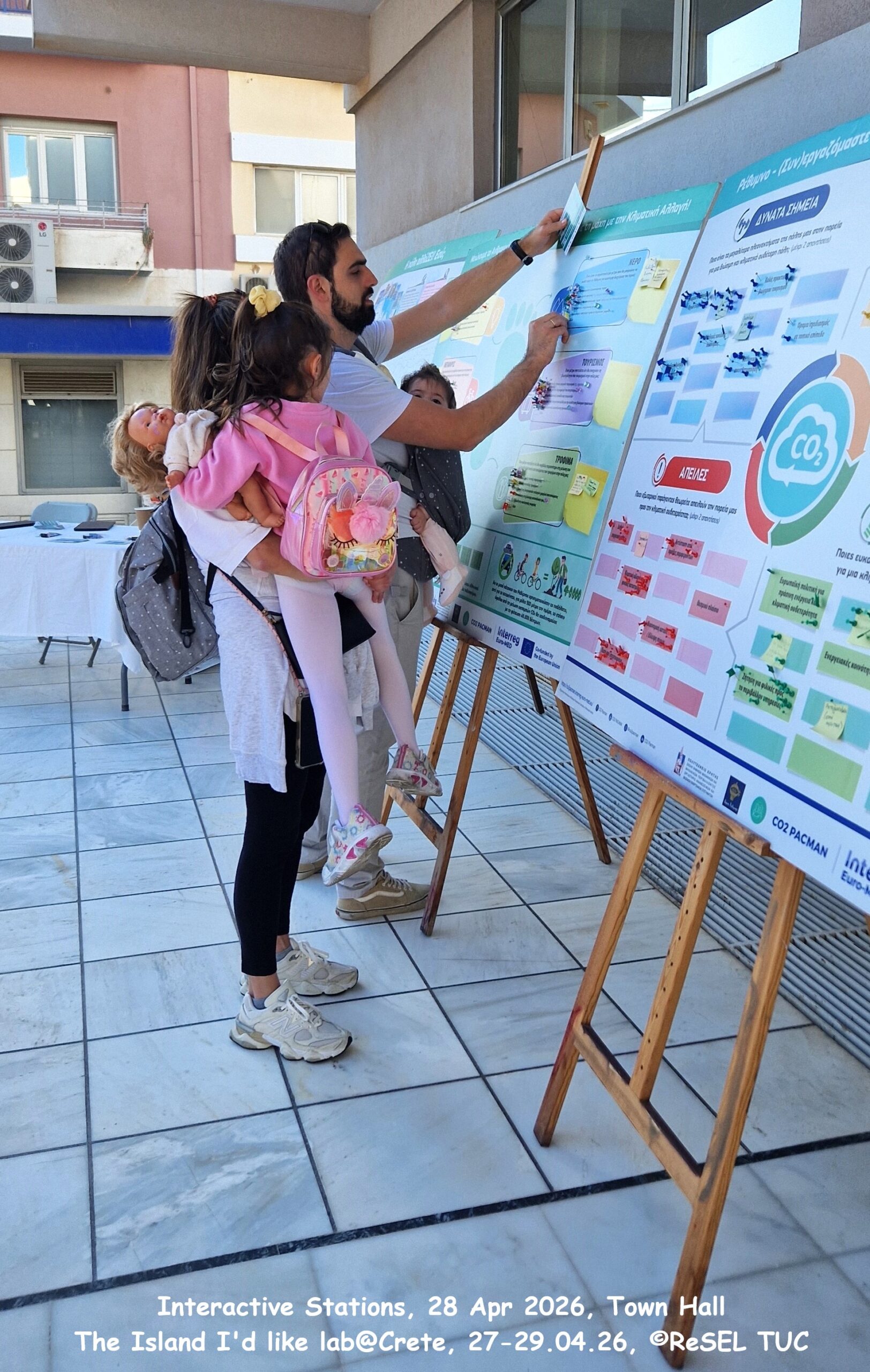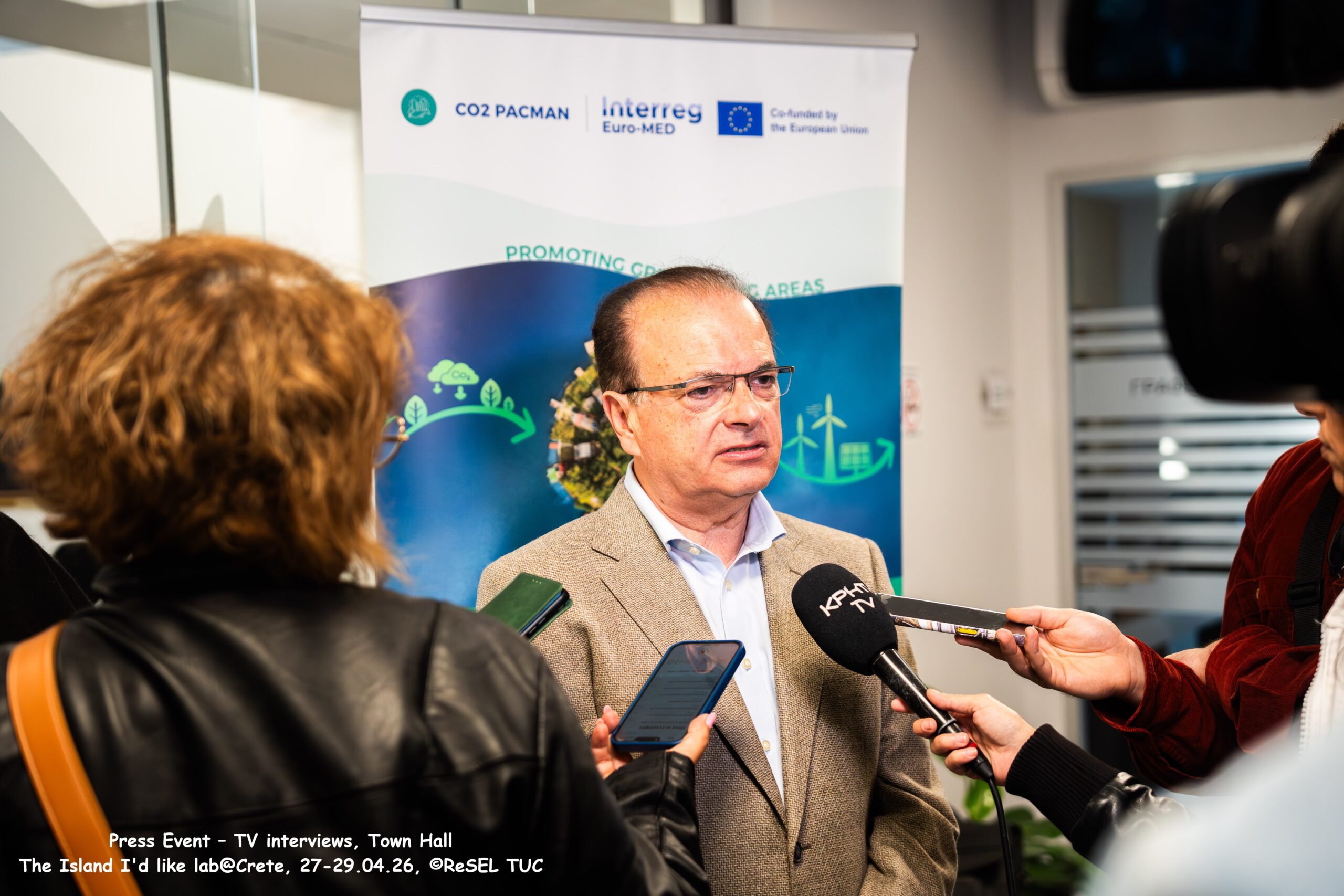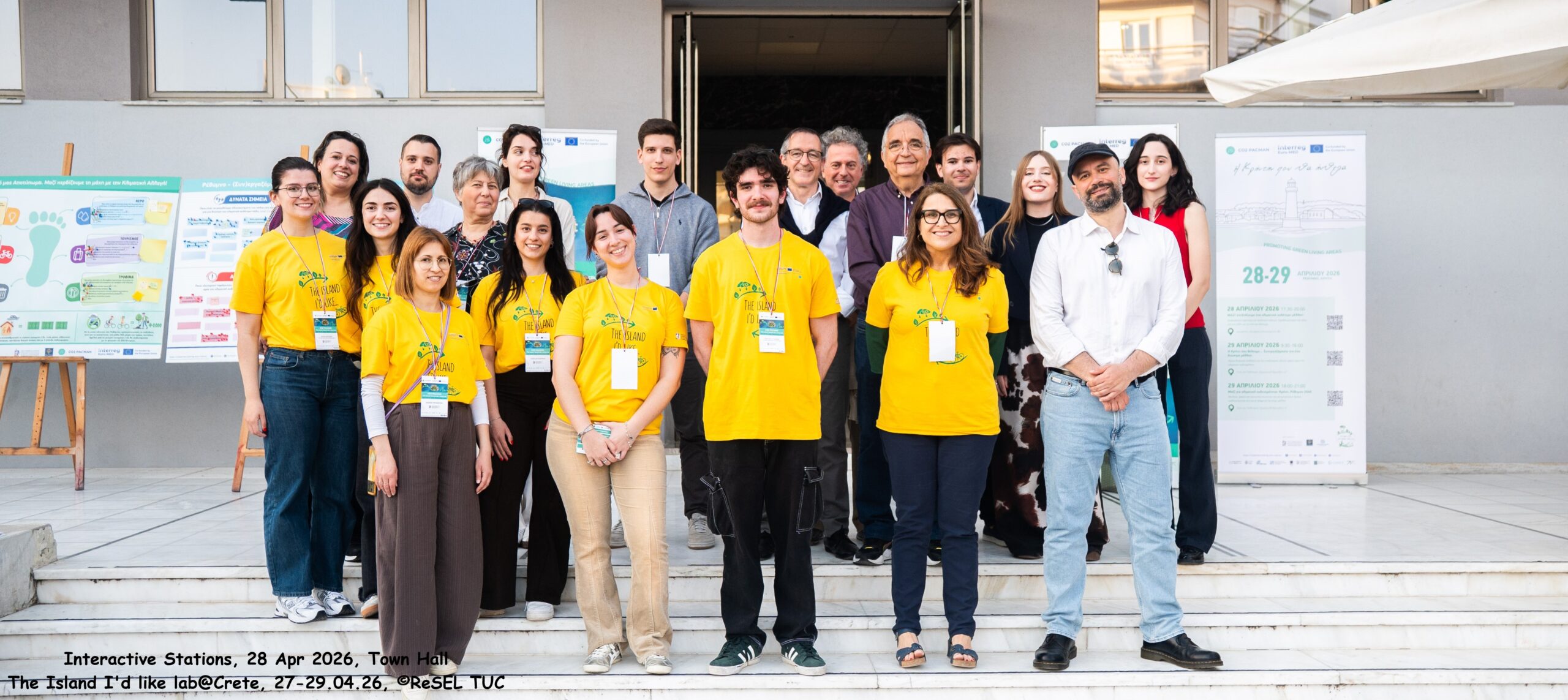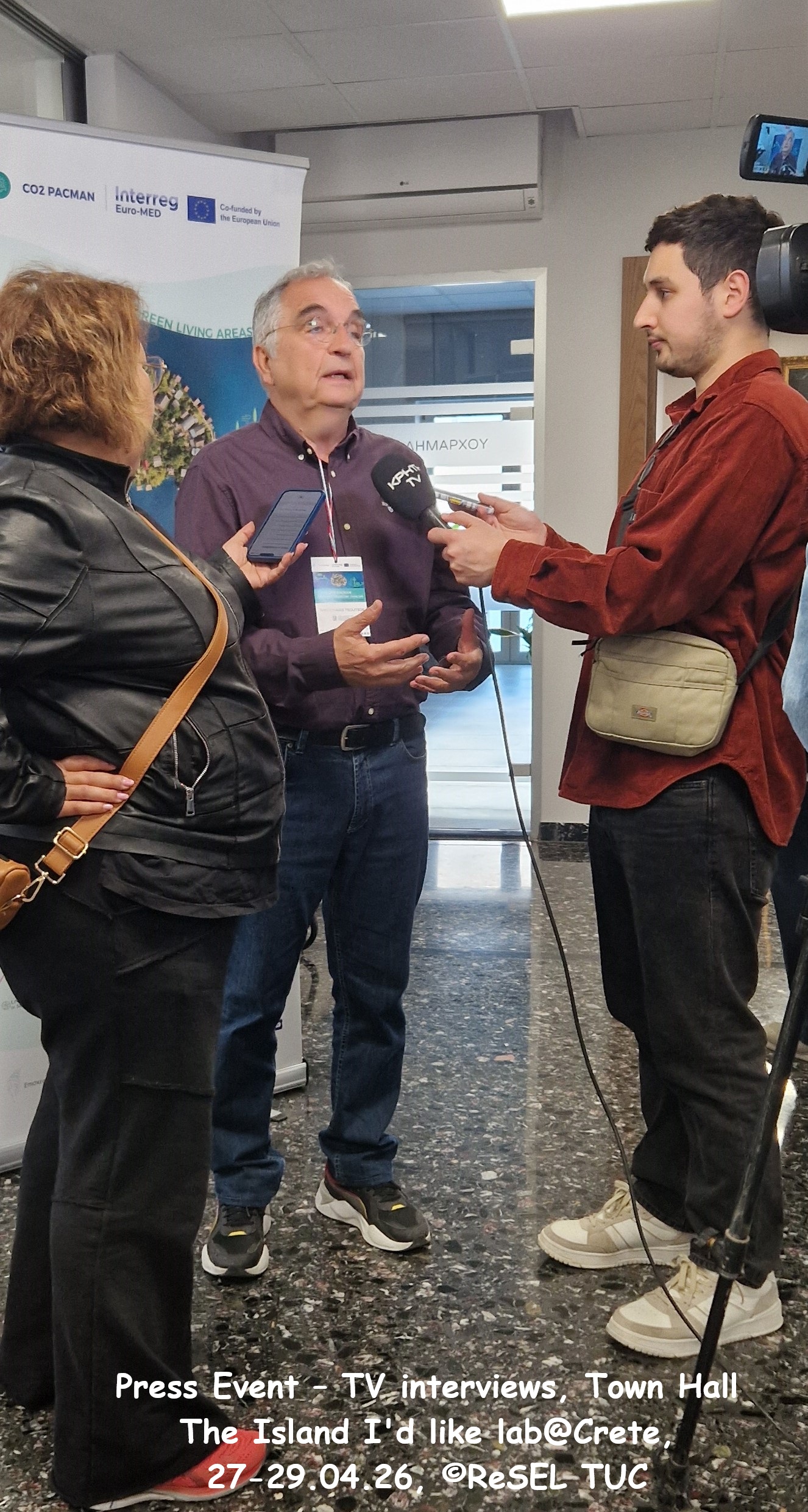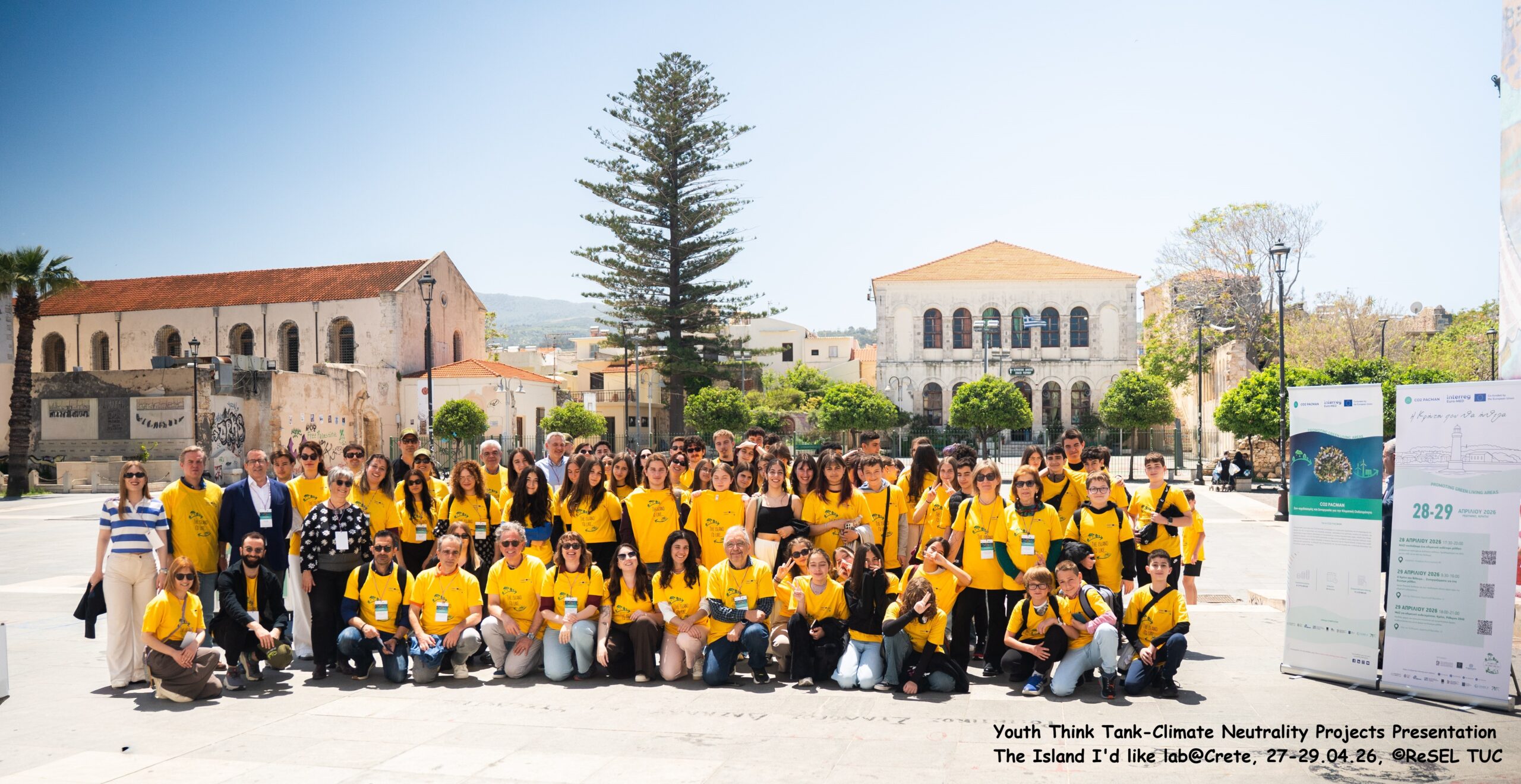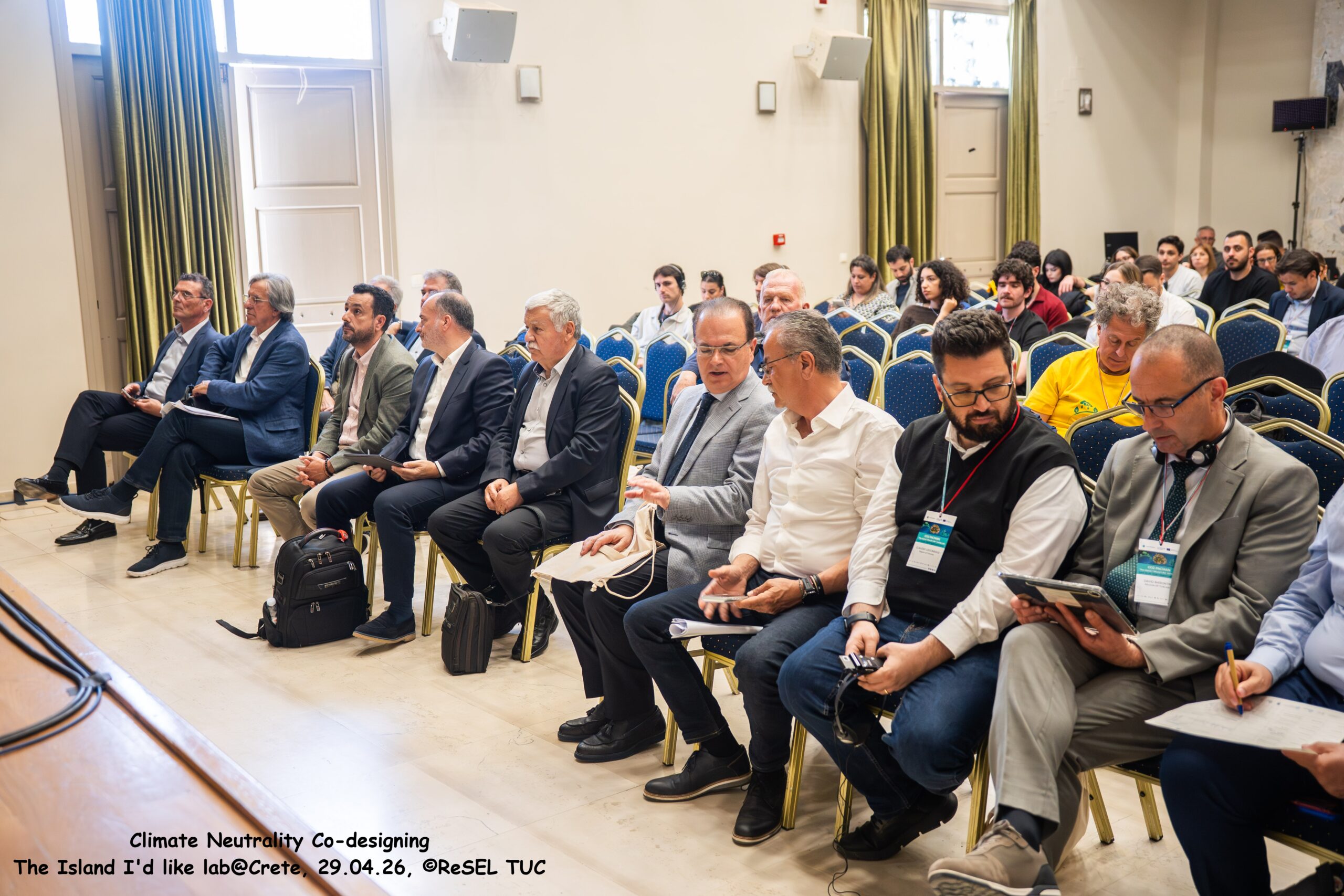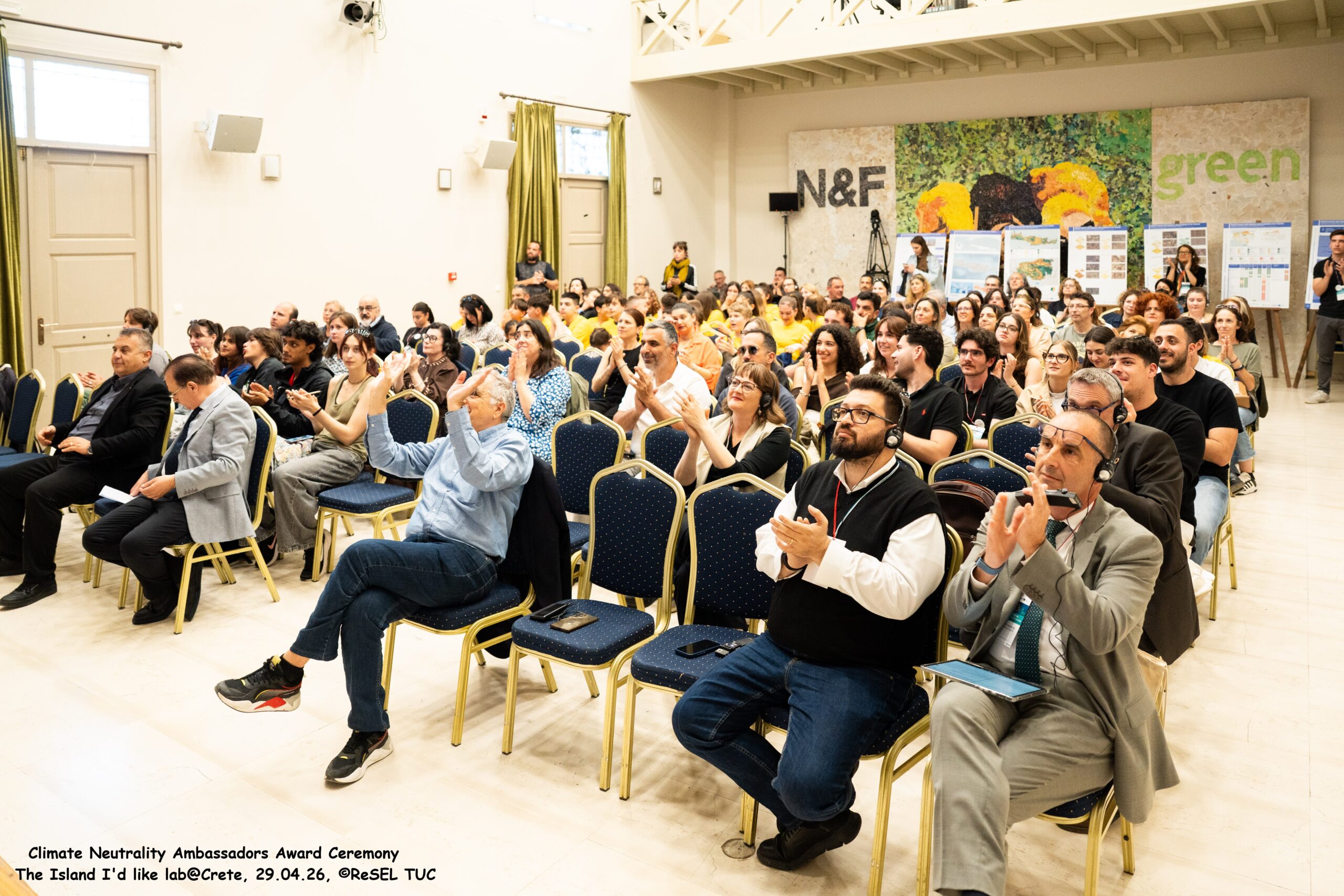

The CO2 PACMAN “Island I Would Like” Lab in Rethymno, Crete, brought together local authorities, academia, businesses, students, and citizens in a dynamic co-design process focused on shaping pathways toward climate neutrality.
The event built on strong collaboration and moved from vision to action, exploring how island territories can translate climate ambition into concrete and locally adapted solutions. High-level contributions from the Municipality of Rethymno, the Region of Crete, and the Technical University of Crete highlighted the importance of coordination and shared responsibility in the transition process.
From Ideas to Action
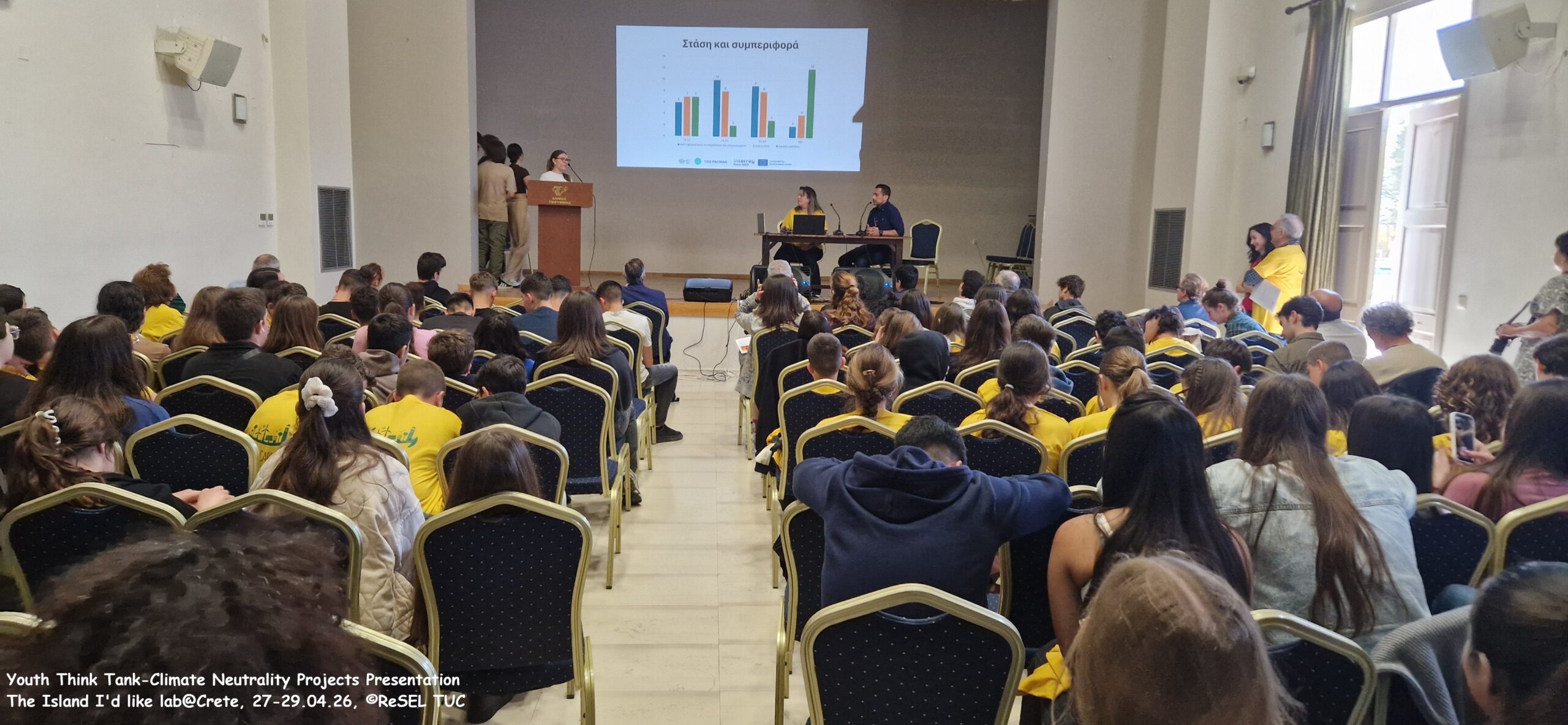
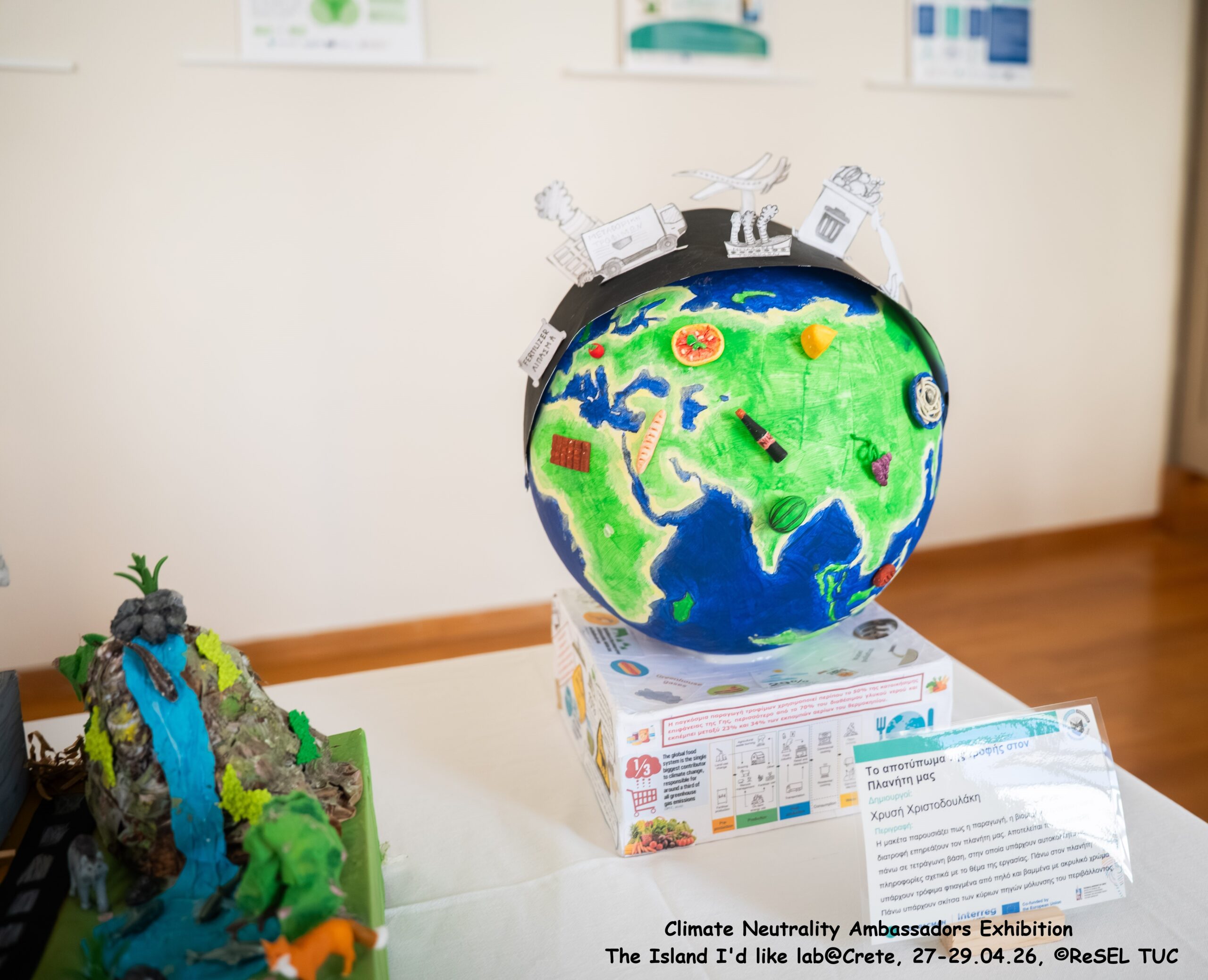
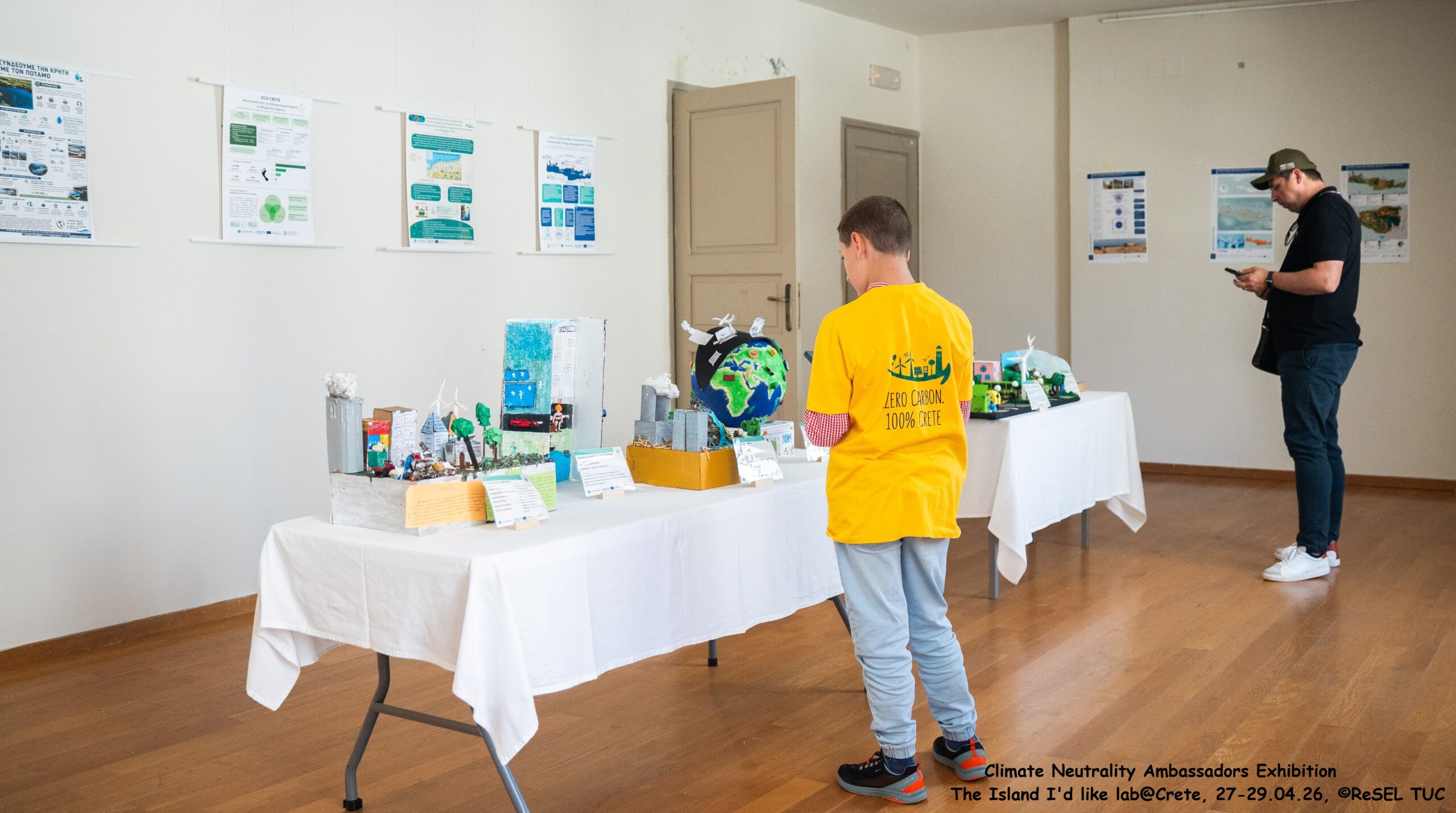
A key highlight of the Lab was the active participation of youth. Students and young engineers presented innovative ideas for a carbon-neutral future, demonstrating how creativity and fresh perspectives can drive sustainable change. Their contributions fostered meaningful dialogue with experts, policymakers, and stakeholders.
Roundtable discussions addressed key sectors such as energy, mobility, tourism, circular economy, and the blue economy, highlighting both challenges and opportunities for Crete to lead the transition toward climate neutrality in the Mediterranean.
Experiencing the Future
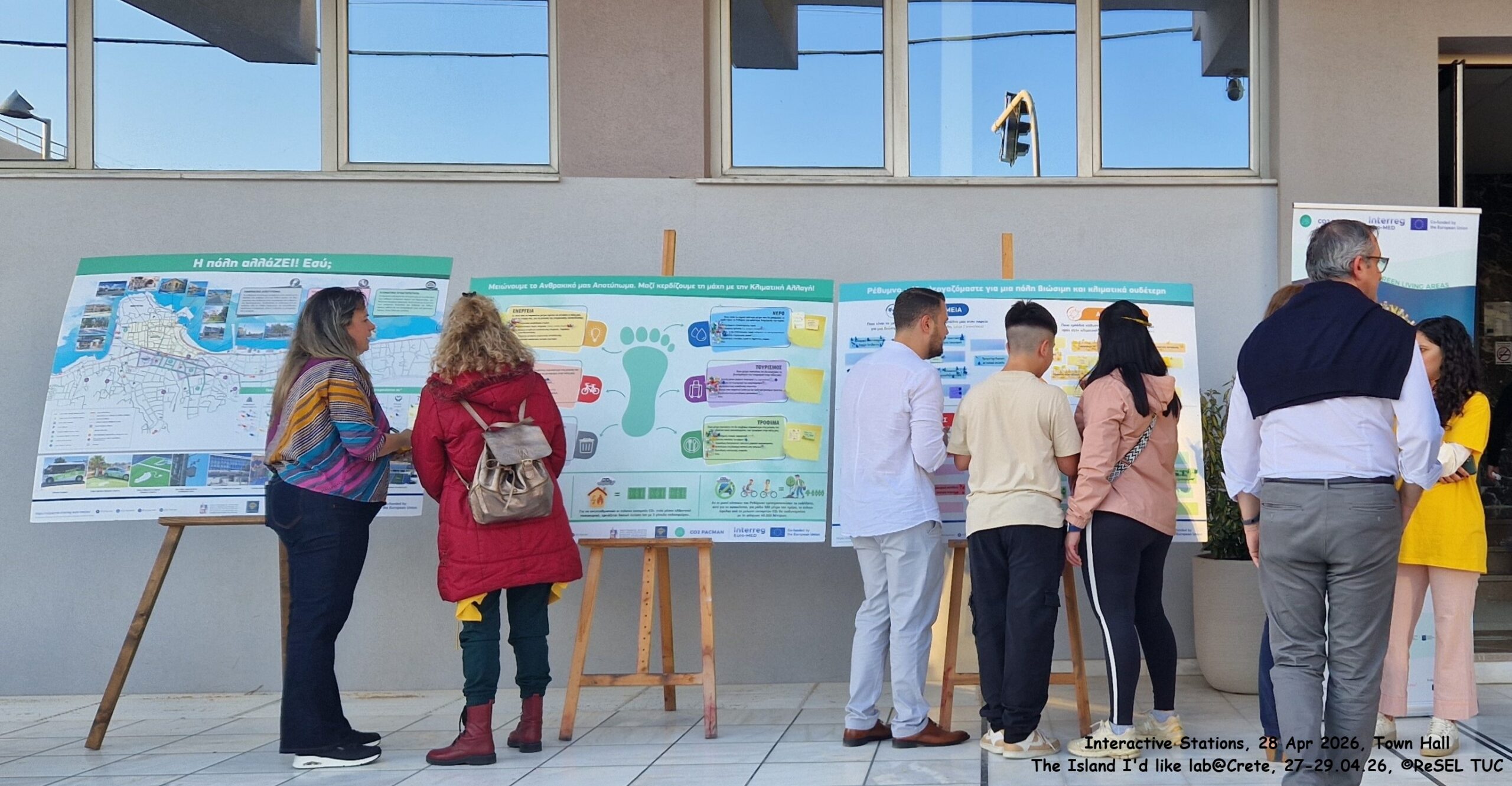
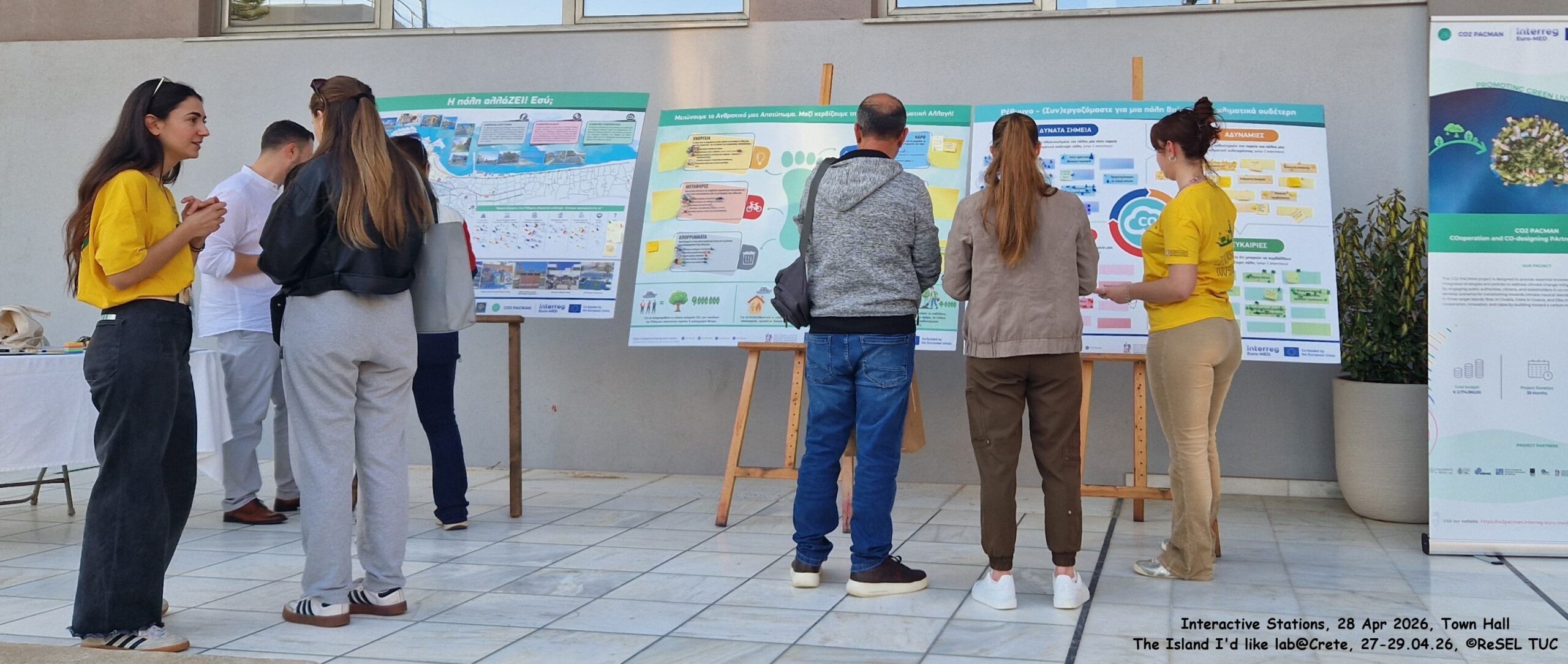
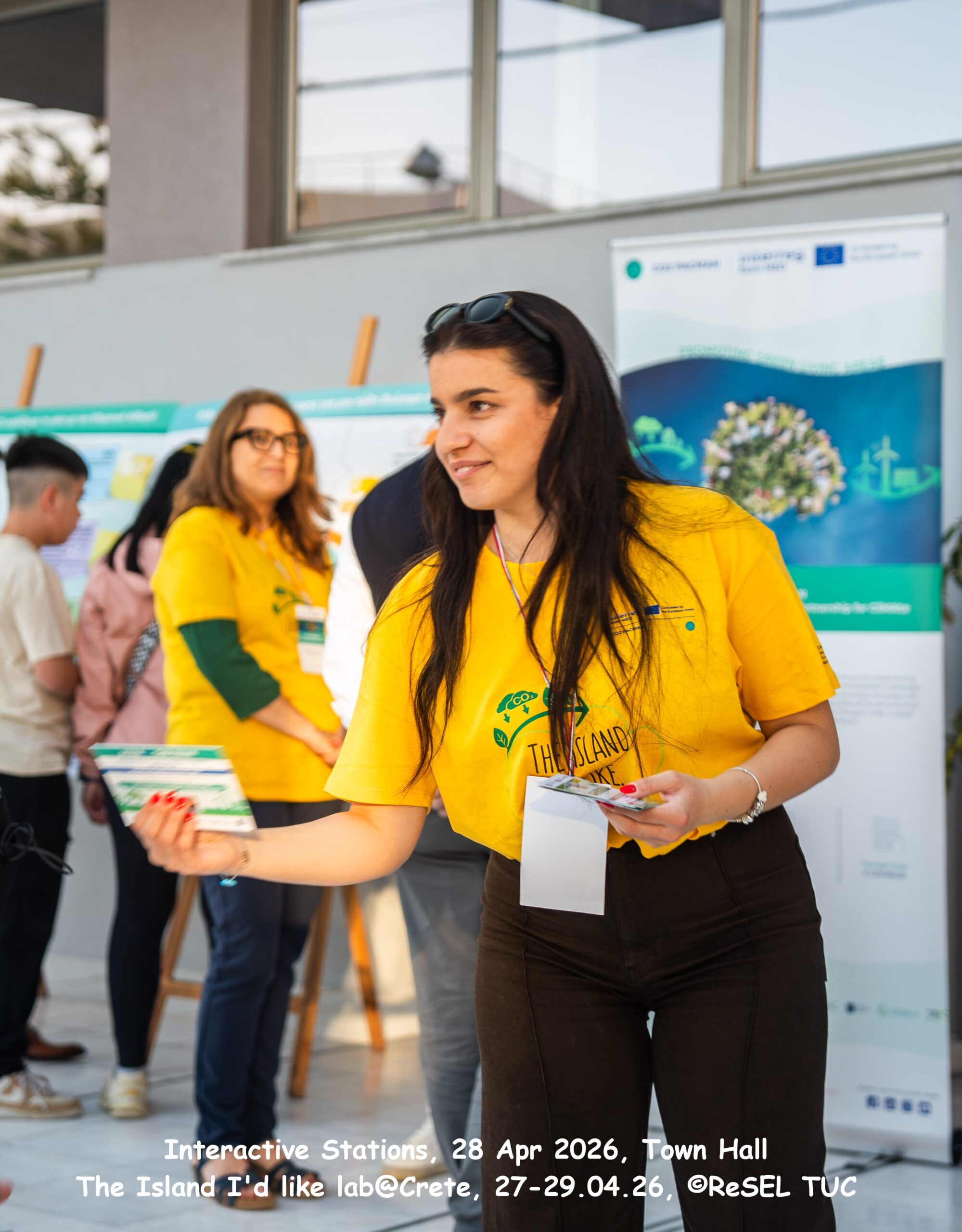
Participants engaged with interactive tools, including landscape scenario visualisations and immersive Virtual Reality applications, offering a tangible view of future pathways for Rethymno and Crete. These tools supported informed discussions and enhanced understanding of complex climate challenges.
A Shared Vision for 2040
The Lab concluded with the open event “Together for Climate Neutrality: Crete, Rethymno 2040”, where strategic priorities, regional collaboration, and youth engagement came together in a shared vision for the future. Presentations and reflections highlighted the importance of empowering the next generation and fostering collective action.
This Living Lab marks an important milestone for CO2 PACMAN, reinforcing the role of participatory approaches, innovation, and collaboration in building resilient and climate-neutral island communities.